

Close Menu
TechurzTechurz

    Subscribe to Updates

    Get the latest creative news from FooBar about art, design and business.

    What's Hot

    Robinhood’s startup fund stumbles in NYSE debut

    March 7, 2026

    City Detect, which uses AI to help cities stay safe and clean, raises $13M Series A

    March 6, 2026

    Cluely CEO Roy Lee admits to publicly lying about revenue numbers last year

    March 6, 2026
    Facebook X (Twitter) Instagram
    Trending
    • Robinhood’s startup fund stumbles in NYSE debut
    • City Detect, which uses AI to help cities stay safe and clean, raises $13M Series A
    • Cluely CEO Roy Lee admits to publicly lying about revenue numbers last year
    • DiligenceSquared uses AI, voice agents to make M&A research affordable
    • Science Corp. raises $230M as it races to bring its brain implant to market
    • Hardware testing startup Nominal hits $1B valuation, raises $155M in 10 months
    • EXCLUSIVE: Luma launches creative AI agents powered by its new ‘Unified Intelligence’ models
    • Zeno raises $25M to speed up production of its battery-swap motorbikes
    Facebook X (Twitter) Instagram Pinterest Vimeo
    TechurzTechurz
    • Home
    • AI
    • Apps
    • News
    • Guides
    • Opinion
    • Reviews
    • Security
    • Startups
    TechurzTechurz
    Home»News»See the Sun in a Way You’ve Never Seen It Before, From Above and Below
    News

    See the Sun in a Way You’ve Never Seen It Before, From Above and Below

    TechurzBy TechurzJune 13, 2025No Comments3 Mins Read
    Share Facebook Twitter Pinterest LinkedIn Tumblr Reddit Telegram Email
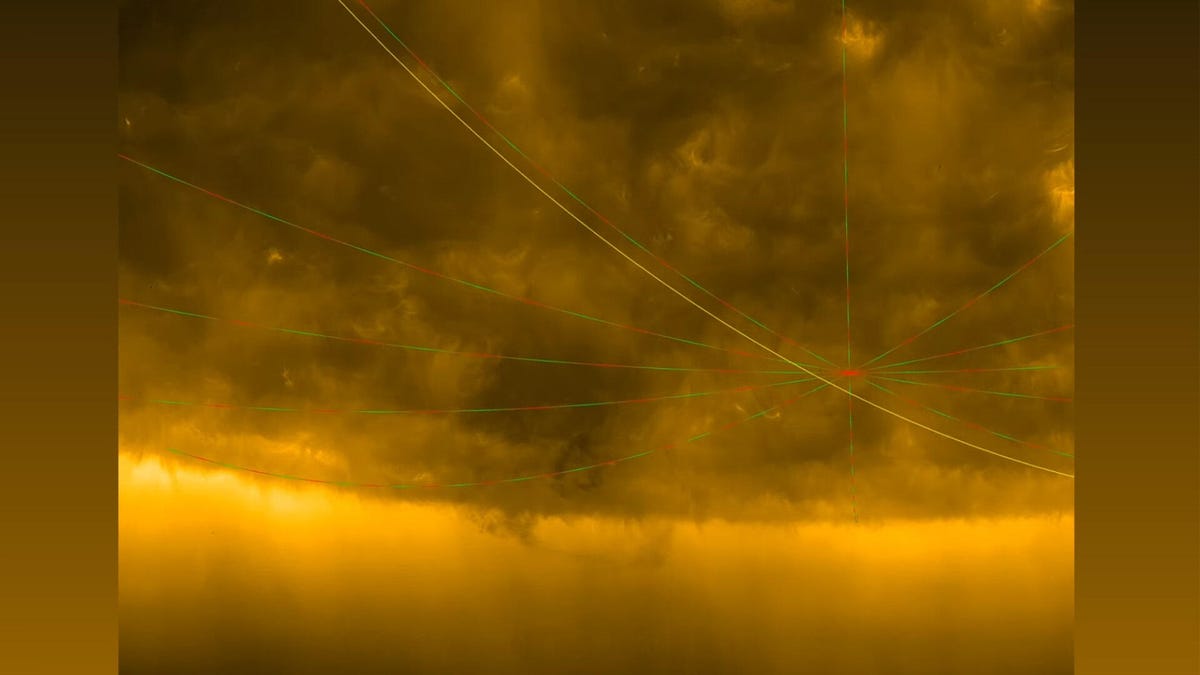
    An image of the sun's south pole
    Share
    Facebook Twitter LinkedIn Pinterest Email

    Every image you’ve ever seen of the sun is looking at its equator, because Earth’s orbit sits there with a 7.25-degree tilt. That means humans have never had a good angle to view the sun’s north and south poles until now. The European Space Agency has released images of the sun’s north and south poles, giving everyone their first glimpse at the top and bottom of our nearest star.

    The imagery was taken by the ESA’s Solar Orbiter, which began its trek to view the sun’s polar regions in 2020. To do this, the Orbiter engaged its boosters, made some adjustments, and slingshotted itself around Venus at a staggering 27,000 miles per hour. 

    Once it reached its destination, it took images using its Polarimetric and Helioseismic Imager (PHI), the Extreme Ultraviolet Imager (EUI), and the Spectra Imaging of the Coronal Environment (SPICE) instrument. 

    “Today we reveal humankind’s first-ever views of the sun’s poles,” said Professor Carole Mundell, ESA director of science, in a blog post. “The sun is our nearest star, giver of life and potential disruptor of modern space and ground power systems, so it is imperative that we understand how it works and learn to predict its behavior. These new, unique views from our Solar Orbiter mission are the beginning of a new era of solar science.” 

    See the Solar Orbiter’s stunning sun view

    The sun’s poles.

    ESA

    The images are viewable above or in a YouTube video on ESA’s channels. In the video, you can see the view that we Earthlings generally see before the video transitions to the solar orbiter’s viewpoint and zooms in so you can see the bottom of the sun in all of its hot, fiery glory. The video is only 50 seconds long, but it’s 50 seconds of footage that humans have never seen before. 

    Most of the ESA’s images and videos are of the sun’s south pole, but the blog post includes imagery of the north pole as well. For the most part, scientists had no idea what to expect from the data, given that this is the first time any human had seen it before. 

    The full dataset from the Orbiter’s first pole-to-pole adventure is set to reach Earth by October 2025, which will give scientists much more to work with in terms of understanding how the sun works. Future orbits will include measurements from all 10 of the Orbiter’s tools, so even more information is coming over the next few years.

    Sun Youve
    Share. Facebook Twitter Pinterest LinkedIn Tumblr Email
    Previous ArticleSpotify, Discord, Snapchat and more were down for hours
    Next Article iPhones Are Finally Getting These 6 Features Android Has Had for Years
    Techurz
    • Website

    Related Posts

    Startups

    Got Google Calendar? This is the AI assistant you’ve been missing

    September 20, 2025
    Security

    Meet the unsung silent hero of cyber resilience you’ve been ignoring

    August 25, 2025
    AI

    IBM and NASA Develop a Digital Twin of the Sun to Predict Future Solar Storms

    August 25, 2025
    Add A Comment
    Leave A Reply Cancel Reply

    Top Posts

    College social app Fizz expands into grocery delivery

    September 3, 20252,286 Views

    A Former Apple Luminary Sets Out to Create the Ultimate GPU Software

    September 25, 202514 Views

    The Reason Murderbot’s Tone Feels Off

    May 14, 202511 Views
    Stay In Touch
    • Facebook
    • YouTube
    • TikTok
    • WhatsApp
    • Twitter
    • Instagram
    Latest Reviews

    Subscribe to Updates

    Get the latest tech news from FooBar about tech, design and biz.

    Most Popular

    College social app Fizz expands into grocery delivery

    September 3, 20252,286 Views

    A Former Apple Luminary Sets Out to Create the Ultimate GPU Software

    September 25, 202514 Views

    The Reason Murderbot’s Tone Feels Off

    May 14, 202511 Views
    Our Picks

    Robinhood’s startup fund stumbles in NYSE debut

    March 7, 2026

    City Detect, which uses AI to help cities stay safe and clean, raises $13M Series A

    March 6, 2026

    Cluely CEO Roy Lee admits to publicly lying about revenue numbers last year

    March 6, 2026

    Subscribe to Updates

    Get the latest creative news from FooBar about art, design and business.

    Facebook X (Twitter) Instagram Pinterest
    • About Us
    • Contact Us
    • Privacy Policy
    • Terms and Conditions
    • Disclaimer
    © 2026 techurz. Designed by Pro.

    Type above and press Enter to search. Press Esc to cancel.