

Close Menu
TechurzTechurz

    Subscribe to Updates

    Get the latest creative news from FooBar about art, design and business.

    What's Hot

    Why top talent is walking away from OpenAI and xAI

    February 13, 2026

    Fusion startup Helion hits blistering temps as it races toward 2028 deadline

    February 13, 2026

    AI burnout, billion-dollar bets, and Silicon Valley’s Epstein problem

    February 13, 2026
    Facebook X (Twitter) Instagram
    Trending
    • Why top talent is walking away from OpenAI and xAI
    • Fusion startup Helion hits blistering temps as it races toward 2028 deadline
    • AI burnout, billion-dollar bets, and Silicon Valley’s Epstein problem
    • Score, the dating app for people with good credit, is back
    • Didero lands $30M to put manufacturing procurement on ‘agentic’ autopilot
    • Eclipse backs all-EV marketplace Ever in $31M funding round
    • Complyance raises $20M to help companies manage risk and compliance
    • Meridian raises $17 million to remake the agentic spreadsheet
    Facebook X (Twitter) Instagram Pinterest Vimeo
    TechurzTechurz
    • Home
    • AI
    • Apps
    • News
    • Guides
    • Opinion
    • Reviews
    • Security
    • Startups
    TechurzTechurz
    Home»AI»What comes next for AI copyright lawsuits?
    AI

    What comes next for AI copyright lawsuits?

    TechurzBy TechurzJuly 2, 2025No Comments3 Mins Read
    Share Facebook Twitter Pinterest LinkedIn Tumblr Reddit Telegram Email
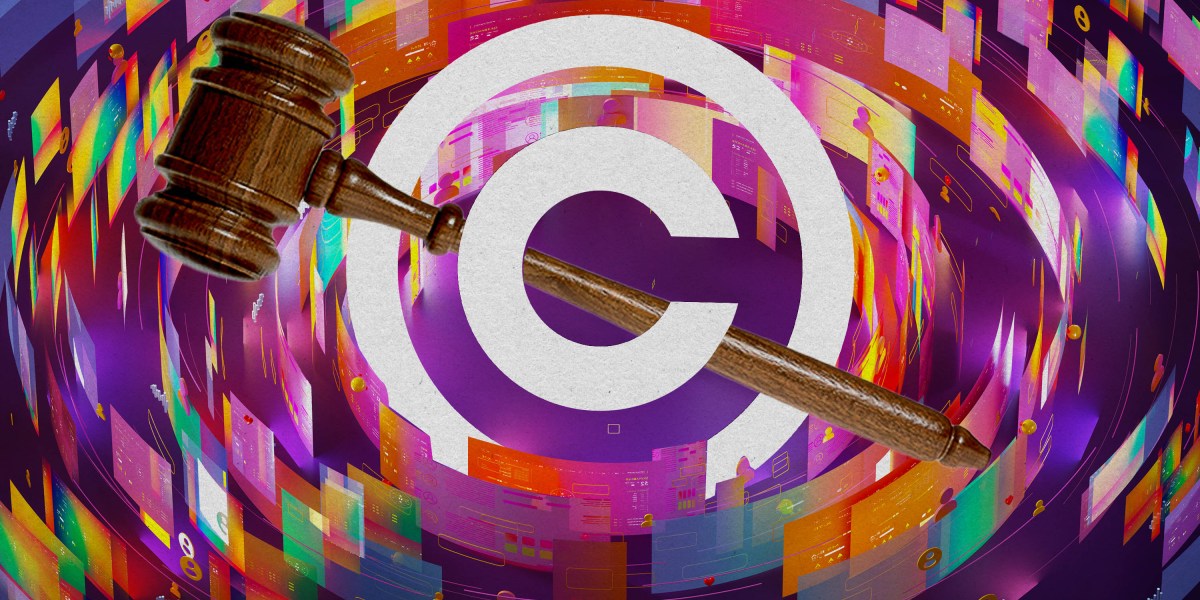
    What comes next for AI copyright lawsuits?
    Share
    Facebook Twitter LinkedIn Pinterest Email

    There are dozens of similar copyright lawsuits working through the courts right now, with cases filed against all the top players—not only Anthropic and Meta but Google, OpenAI, Microsoft, and more. On the other side, plaintiffs range from individual artists and authors to large companies like Getty and the New York Times.

    The outcomes of these cases are set to have an enormous impact on the future of AI. In effect, they will decide whether or not model makers can continue ordering up a free lunch. If not, they will need to start paying for such training data via new kinds of licensing deals—or find new ways to train their models. Those prospects could upend the industry.

    And that’s why last week’s wins for the technology companies matter. So: Cases closed? Not quite. If you drill into the details, the rulings are less cut-and-dried than they seem at first. Let’s take a closer look.

    In both cases, a group of authors (the Anthropic suit was a class action; 13 plaintiffs sued Meta, including high-profile names such as Sarah Silverman and Ta-Nehisi Coates) set out to prove that a technology company had violated their copyright by using their books to train large language models. And in both cases, the companies argued that this training process counted as fair use, a legal provision that permits the use of copyrighted works for certain purposes.  

    There the similarities end. Ruling in Anthropic’s favor, senior district judge William Alsup argued on June 23 that the firm’s use of the books was legal because what it did with them was transformative, meaning that it did not replace the original works but made something new from them. “The technology at issue was among the most transformative many of us will see in our lifetimes,” Alsup wrote in his judgment.

    In Meta’s case, district judge Vince Chhabria made a different argument. He also sided with the technology company, but he focused his ruling instead on the issue of whether or not Meta had harmed the market for the authors’ work. Chhabria said that he thought Alsup had brushed aside the importance of market harm. “The key question in virtually any case where a defendant has copied someone’s original work without permission is whether allowing people to engage in that sort of conduct would substantially diminish the market for the original,” he wrote on June 25.

    Same outcome; two very different rulings. And it’s not clear exactly what that means for the other cases. On the one hand, it bolsters at least two versions of the fair-use argument. On the other, there’s some disagreement over how fair use should be decided.

    But there are even bigger things to note. Chhabria was very clear in his judgment that Meta won not because it was in the right, but because the plaintiffs failed to make a strong enough argument. “In the grand scheme of things, the consequences of this ruling are limited,” he wrote. “This is not a class action, so the ruling only affects the rights of these 13 authors—not the countless others whose works Meta used to train its models. And, as should now be clear, this ruling does not stand for the proposition that Meta’s use of copyrighted materials to train its language models is lawful.” That reads a lot like an invitation for anyone else out there with a grievance to come and have another go.   

    Copyright lawsuits
    Share. Facebook Twitter Pinterest LinkedIn Tumblr Email
    Previous ArticleSiloking von Ransomware-Attacke betroffen | CSO Online
    Next Article Here’s why the MoonSwatch 1965 is my favourite OMEGA x Swatch collab
    Techurz
    • Website

    Related Posts

    AI

    How we feel about AI friends, OpenAI’s money, and vibe coding

    September 13, 2025
    AI

    Your Powerbeats Pro 2 are getting a serious upgrade – but there’s a catch

    September 13, 2025
    AI

    Tucker Carlson asks Sam Altman if an OpenAI employee was murdered ‘on your orders’

    September 13, 2025
    Add A Comment
    Leave A Reply Cancel Reply

    Top Posts

    College social app Fizz expands into grocery delivery

    September 3, 20251,587 Views

    A Former Apple Luminary Sets Out to Create the Ultimate GPU Software

    September 25, 202514 Views

    The Reason Murderbot’s Tone Feels Off

    May 14, 202511 Views
    Stay In Touch
    • Facebook
    • YouTube
    • TikTok
    • WhatsApp
    • Twitter
    • Instagram
    Latest Reviews

    Subscribe to Updates

    Get the latest tech news from FooBar about tech, design and biz.

    Most Popular

    College social app Fizz expands into grocery delivery

    September 3, 20251,587 Views

    A Former Apple Luminary Sets Out to Create the Ultimate GPU Software

    September 25, 202514 Views

    The Reason Murderbot’s Tone Feels Off

    May 14, 202511 Views
    Our Picks

    Why top talent is walking away from OpenAI and xAI

    February 13, 2026

    Fusion startup Helion hits blistering temps as it races toward 2028 deadline

    February 13, 2026

    AI burnout, billion-dollar bets, and Silicon Valley’s Epstein problem

    February 13, 2026

    Subscribe to Updates

    Get the latest creative news from FooBar about art, design and business.

    Facebook X (Twitter) Instagram Pinterest
    • About Us
    • Contact Us
    • Privacy Policy
    • Terms and Conditions
    • Disclaimer
    © 2026 techurz. Designed by Pro.

    Type above and press Enter to search. Press Esc to cancel.