

Close Menu
TechurzTechurz
    What's Hot

    Asian AI startups launch Mythos-like models as Anthropic’s export ban drags on

    June 27, 2026

    Corgi, the buzzy Y Combinator-backed insurance tech startup, says it didn’t steal an open source product

    June 26, 2026

    OpenAI poaches Uber India chief to lead its biggest market outside the US

    June 26, 2026
    X (Twitter) Pinterest YouTube LinkedIn WhatsApp
    Tech Pulse
    • Asian AI startups launch Mythos-like models as Anthropic’s export ban drags on
    • Corgi, the buzzy Y Combinator-backed insurance tech startup, says it didn’t steal an open source product
    • OpenAI poaches Uber India chief to lead its biggest market outside the US
    • Early Bird pricing ends tonight for Founder Summit
    • Robotaxis drive miles just to get cleaned and charged; this new startup wants to fix that
    X (Twitter) Pinterest YouTube LinkedIn WhatsApp
    TechurzTechurz
    • Home
    • Tech Pulse
    • Future Tech
    • AI Systems
    • Cyber Reality
    • Disruption Lab
    • Signals
    TechurzTechurz
    Home - Cyber Reality - A New Attack Lets Hackers Steal 2-Factor Authentication Codes From Android Phones
    Cyber Reality

    A New Attack Lets Hackers Steal 2-Factor Authentication Codes From Android Phones

    TechurzBy TechurzOctober 14, 2025Updated:May 10, 2026No Comments2 Mins Read
    Share Facebook Twitter Pinterest LinkedIn Tumblr Reddit Telegram Email
    A New Attack Lets Hackers Steal 2-Factor Authentication Codes From Android Phones
    Share
    Facebook Twitter LinkedIn Pinterest Email

    Android devices are vulnerable to a new attack that can covertly steal two-factor authentication codes, location timelines, and other private data in less than 30 seconds.

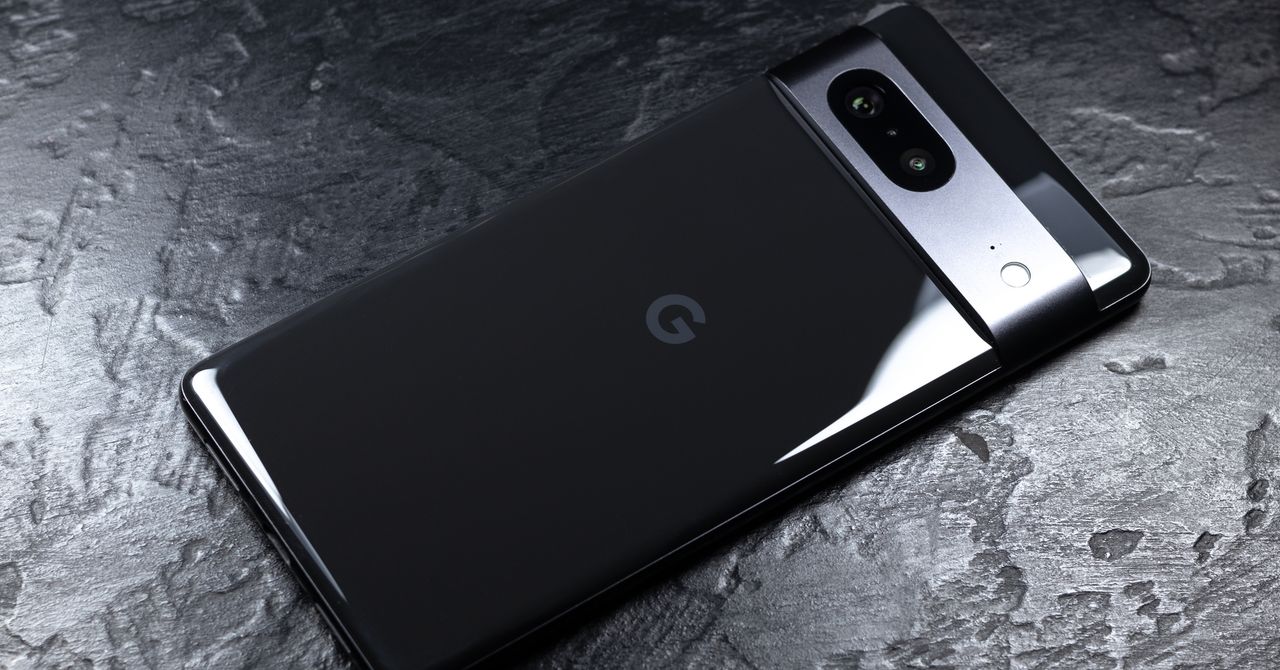
    The new attack, named Pixnapping by the team of academic researchers who devised it, requires a victim to first install a malicious app on an Android phone or tablet. The app, which requires no system permissions, can then effectively read data that any other installed app displays on the screen. Pixnapping has been demonstrated on Google Pixel phones and the Samsung Galaxy S25 phone and likely could be modified to work on other models with additional work. Google released mitigations last month, but the researchers said a modified version of the attack works even when the update is installed.

    Like Taking a Screenshot

    Pixnapping attacks begin with the malicious app invoking Android programming interfaces that cause the authenticator or other targeted apps to send sensitive information to the device screen. The malicious app then runs graphical operations on individual pixels of interest to the attacker. Pixnapping then exploits a side channel that allows the malicious app to map the pixels at those coordinates to letters, numbers, or shapes.

    “Anything that is visible when the target app is opened can be stolen by the malicious app using Pixnapping,” the researchers wrote on an informational website. “Chat messages, 2FA codes, email messages, etc. are all vulnerable since they are visible. If an app has secret information that is not visible (e.g., it has a secret key that is stored but never shown on the screen), that information cannot be stolen by Pixnapping.”

    The new attack class is reminiscent of GPU.zip, a 2023 attack that allowed malicious websites to read the usernames, passwords, and other sensitive visual data displayed by other websites. It worked by exploiting side channels found in GPUs from all major suppliers. The vulnerabilities that GPU.zip exploited have never been fixed. Instead, the attack was blocked in browsers by limiting their ability to open iframes, an HTML element that allows one website (in the case of GPU.zip, a malicious one) to embed the contents of a site from a different domain.

    Pixnapping targets the same side channel as GPU.zip, specifically the precise amount of time it takes for a given frame to be rendered on the screen.

    2Factor Android Attack authentication codes Hackers lets phones steal
    Share. Facebook Twitter Pinterest LinkedIn Tumblr Email
    Previous ArticleLeaving Windows 10 today? How to clear your new Windows 11 PC cache (and start fresh)
    Next Article CISOs must rethink the tabletop, as 57% of incidents have never been rehearsed
    Techurz
    • Website

    Related Posts

    Opinion

    Corgi, the buzzy Y Combinator-backed insurance tech startup, says it didn’t steal an open source product

    June 26, 2026
    Cyber Reality

    Digital Identity Protection: 7 Hidden Risks Most Users Miss

    May 25, 2026
    Cyber Reality

    Neural Data Policy: 7 Risks That Brain Privacy Laws Miss

    May 25, 2026
    Add A Comment
    Latest Tech Pulse

    College social app Fizz expands into grocery delivery

    September 3, 20252,290

    SolarSquare in talks to raise up to $60M as India’s rooftop solar market draws major VC interest

    May 23, 202622

    Future of Digital Privacy and Security: 7 Truths Nobody Tells You

    May 25, 202619
    Stay In Touch
    • YouTube
    • WhatsApp
    • Twitter
    • Pinterest
    • LinkedIn

    Techurz helps readers stay ahead of digital change with clear, practical, future focused technology intelligence written today,searched tomorrow.

    X (Twitter) Pinterest YouTube LinkedIn WhatsApp
    Company
    • About Us
    • Contact Us
    • Our Authors / Editorial Team
    • Write For Us
    • Advertise
    Policy
    • Editorial Policy
    • Privacy Policy
    • Terms and Conditions
    • Affiliate Disclosure
    • Cookie Policy
    • Disclaimer
    • DMCA
    Explore
    • AI Systems
    • Cyber Reality
    • Future Tech
    • Disruption Lab
    • Signals
    • Tech Pulse
    • Sitemap

    Join the Techurz Brief

    The future does not arrive suddenly.
    Stay ahead with fast, sharp tech signals.

    Type above and press Enter to search. Press Esc to cancel.