
Close Menu
TechurzTechurz

    Subscribe to Updates

    Get the latest creative news from FooBar about art, design and business.

    What's Hot

    Didero lands $30M to put manufacturing procurement on ‘agentic’ autopilot

    February 12, 2026

    Eclipse backs all-EV marketplace Ever in $31M funding round

    February 12, 2026

    Complyance raises $20M to help companies manage risk and compliance

    February 12, 2026
    Facebook X (Twitter) Instagram
    Trending
    • Didero lands $30M to put manufacturing procurement on ‘agentic’ autopilot
    • Eclipse backs all-EV marketplace Ever in $31M funding round
    • Complyance raises $20M to help companies manage risk and compliance
    • Meridian raises $17 million to remake the agentic spreadsheet
    • 2026 Joseph C. Belden Innovation Award nominations are open
    • AI inference startup Modal Labs in talks to raise at $2.5B valuation, sources say
    • Who will own your company’s AI layer? Glean’s CEO explains
    • How to get into a16z’s super-competitive Speedrun startup accelerator program
    Facebook X (Twitter) Instagram Pinterest Vimeo
    TechurzTechurz
    • Home
    • AI
    • Apps
    • News
    • Guides
    • Opinion
    • Reviews
    • Security
    • Startups
    TechurzTechurz
    Home»News»A European Startup’s Spacecraft Made It to Orbit. Now It’s Lost at Sea
    News

    A European Startup’s Spacecraft Made It to Orbit. Now It’s Lost at Sea

    TechurzBy TechurzJune 26, 2025No Comments3 Mins Read
    Share Facebook Twitter Pinterest LinkedIn Tumblr Reddit Telegram Email
    A European Startup’s Spacecraft Made It to Orbit. Now It’s Lost at Sea
    Share
    Facebook Twitter LinkedIn Pinterest Email

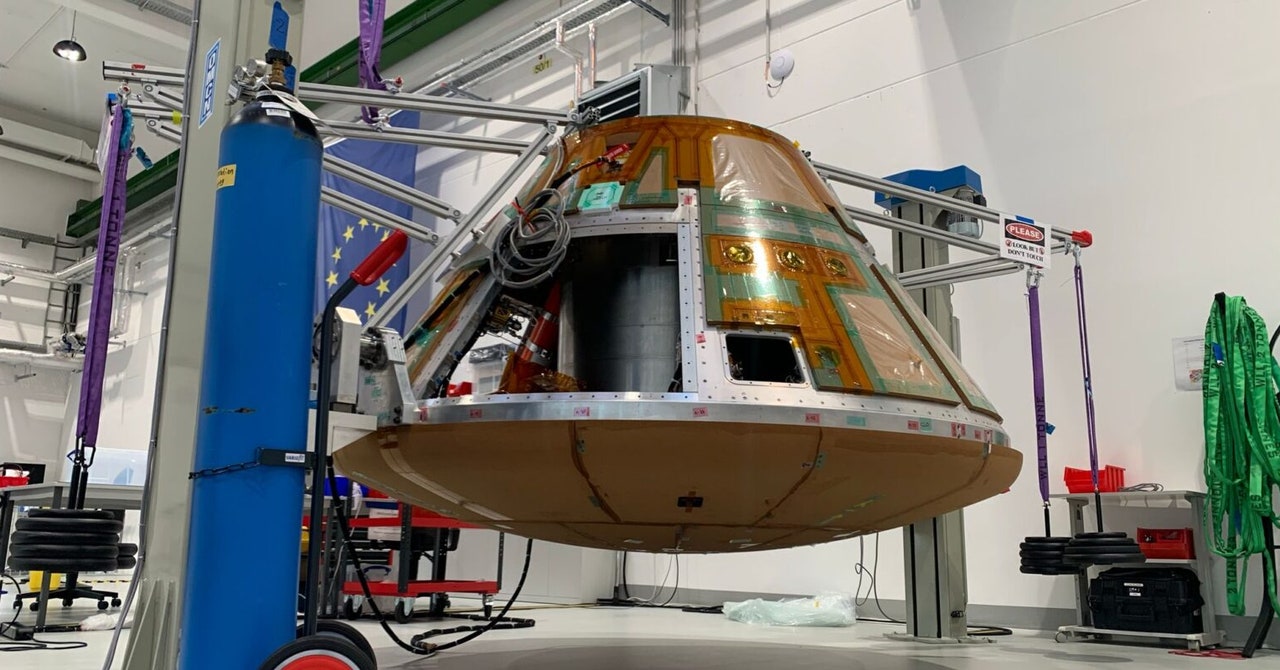
    A European company that seeks to develop orbital spacecraft for cargo, and eventually humans, took a step forward this week with a test flight that saw its Mission Possible vehicle power up and fly successfully in orbit before making a controlled reentry into Earth’s atmosphere.

    However, after encountering an “issue,” the Exploration Company lost contact with its spacecraft a few minutes before touchdown in the ocean.

    In an update Tuesday morning on LinkedIn, the company characterized the test flight as a partial success—and a partial failure.

    “The capsule was launched successfully, powered the payloads nominally in-orbit, stabilized itself after separation with the launcher, reentered and reestablished communication after black out,” the company said in a statement. “We are still investigating the root causes and will share more information soon. We apologize to all our clients who entrusted us with their payloads.”

    Maybe It Was the Parachutes

    Reestablishing communications with the spacecraft after the blackout period suggests that the vehicle got through the most thermally challenging part of reentry into Earth’s atmosphere and perhaps validated the spacecraft’s handling and ability to withstand maximum heating.

    Following this, according to the company’s timeline for Mission Possible, the capsule’s parachutes were due to deploy at a velocity between Mach 0.8 and Mach 0.6. The parachutes were selected for their “proven flight heritage,” the company said, and were procured from US-based Airborne Systems, which provides parachutes used by SpaceX’s Dragon, Boeing’s Starliner, and other spacecraft.

    Given when the spacecraft was lost, it seems most likely that there was a problem with the deployment of the drogue or main parachutes.

    Mission Possible was a 2.5-meter diameter demonstration vehicle that was among the larger payloads launched Monday afternoon on SpaceX’s Transporter 14 mission from Vandenberg Space Force Base in California. The mission sought to test four primary areas of spaceflight: structural performance in orbital flight, surviving reentry, autonomous navigation, and recovery in real-world conditions. It only clearly failed in this final task, recovering the vehicle within three days to return on-board payloads to customers.

    Meeting an Aggressive Timeline

    It is refreshing to have such clear and concise communication from a space company, especially the acknowledgment that a flight was a partial failure, within hours of launch. And it is not a surprise that there were technical challenges on a vehicle that was put together fairly rapidly and at a low cost.

    In an interview with Ars last November, the founder of The Exploration Company, Hélène Huby, said Mission Possible was developed at a cost of about $20 million in 2.5 years, in addition to $10 million for the rideshare launch on the Falcon 9 rocket.

    At the time, she said Mission Possible was on track to launch this summer, and the company met this timeline.

    Given the potential issues with the parachute system or other problems near touchdown, it is possible that The Exploration Company may fly another subscale demonstration mission before moving into development of its full-size Nyx cargo spacecraft.

    European Lost orbit Sea Spacecraft Startups
    Share. Facebook Twitter Pinterest LinkedIn Tumblr Email
    Previous ArticleThe Unihertz Titan 2 brings back the QWERTY keyboard, pairs it with a square 4.5″ display
    Next Article Amazon Whole Foods CEO Slams Internal Bureaucracy: ‘Ridiculous’
    Techurz
    • Website

    Related Posts

    Opinion

    YC startups can now recieve investment in stablecoin

    February 3, 2026
    Opinion

    Meet the new European unicorns of 2026

    February 1, 2026
    Opinion

    Nuclear startups are back in vogue with small reactors, and big challenges

    January 11, 2026
    Add A Comment
    Leave A Reply Cancel Reply

    Top Posts

    College social app Fizz expands into grocery delivery

    September 3, 20251,519 Views

    A Former Apple Luminary Sets Out to Create the Ultimate GPU Software

    September 25, 202514 Views

    The Reason Murderbot’s Tone Feels Off

    May 14, 202511 Views
    Stay In Touch
    • Facebook
    • YouTube
    • TikTok
    • WhatsApp
    • Twitter
    • Instagram
    Latest Reviews

    Subscribe to Updates

    Get the latest tech news from FooBar about tech, design and biz.

    Most Popular

    College social app Fizz expands into grocery delivery

    September 3, 20251,519 Views

    A Former Apple Luminary Sets Out to Create the Ultimate GPU Software

    September 25, 202514 Views

    The Reason Murderbot’s Tone Feels Off

    May 14, 202511 Views
    Our Picks

    Didero lands $30M to put manufacturing procurement on ‘agentic’ autopilot

    February 12, 2026

    Eclipse backs all-EV marketplace Ever in $31M funding round

    February 12, 2026

    Complyance raises $20M to help companies manage risk and compliance

    February 12, 2026

    Subscribe to Updates

    Get the latest creative news from FooBar about art, design and business.

    Facebook X (Twitter) Instagram Pinterest
    • About Us
    • Contact Us
    • Privacy Policy
    • Terms and Conditions
    • Disclaimer
    © 2026 techurz. Designed by Pro.

    Type above and press Enter to search. Press Esc to cancel.