
Close Menu
TechurzTechurz

    Subscribe to Updates

    Get the latest creative news from FooBar about art, design and business.

    What's Hot

    Fusion startup Helion hits blistering temps as it races toward 2028 deadline

    February 13, 2026

    AI burnout, billion-dollar bets, and Silicon Valley’s Epstein problem

    February 13, 2026

    Score, the dating app for people with good credit, is back

    February 13, 2026
    Facebook X (Twitter) Instagram
    Trending
    • Fusion startup Helion hits blistering temps as it races toward 2028 deadline
    • AI burnout, billion-dollar bets, and Silicon Valley’s Epstein problem
    • Score, the dating app for people with good credit, is back
    • Didero lands $30M to put manufacturing procurement on ‘agentic’ autopilot
    • Eclipse backs all-EV marketplace Ever in $31M funding round
    • Complyance raises $20M to help companies manage risk and compliance
    • Meridian raises $17 million to remake the agentic spreadsheet
    • 2026 Joseph C. Belden Innovation Award nominations are open
    Facebook X (Twitter) Instagram Pinterest Vimeo
    TechurzTechurz
    • Home
    • AI
    • Apps
    • News
    • Guides
    • Opinion
    • Reviews
    • Security
    • Startups
    TechurzTechurz
    Home»Opinion»A former OpenAI engineer describes what it’s really like to work there
    Opinion

    A former OpenAI engineer describes what it’s really like to work there

    TechurzBy TechurzJuly 15, 2025No Comments4 Mins Read
    Share Facebook Twitter Pinterest LinkedIn Tumblr Reddit Telegram Email
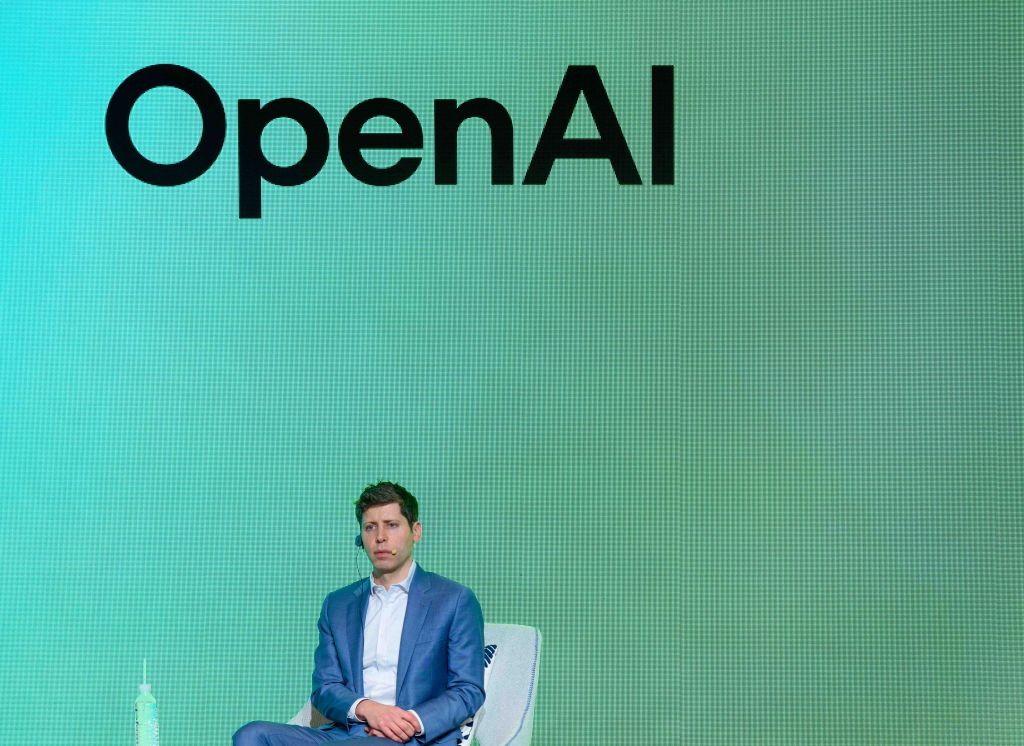
    Open AI Chief Executive Officer Sam Altman speaks during the Kakao media day in Seoul.
    Share
    Facebook Twitter LinkedIn Pinterest Email

    Three weeks ago, an engineer named Calvin French-Owen, who worked on one of OpenAI’s most promising new products, resigned from the company. 

    He just published a fascinating blog post on what it was like to work there for a year, including the sleepless sprint to build Codex. That’s OpenAI’s new coding agent that competes with tools like Cursor and Anthropic’s Claude Code.

    French-Owen said he didn’t leave because of any “drama,” but because he wants to get back to being a startup founder. He was a co-founder of customer data startup Segment, which was bought by Twilio in 2020 for $3.2 billion. 

    Some of what he revealed about the OpenAI culture would surprise no one, but other observations combat some misconceptions about the company. (He could not be immediately reached for comment.)

    Fast growth: OpenAI grew from 1,000 to 3,000 people in the year he was there, he wrote. 

    The LLM model maker certainly has reasons for such hiring. It is the fastest-growing consumer product ever, and its competitors are also growing fast. In March, it said that ChatGPT had over 500 million active users and climbing quickly.

    Chaos: “Everything breaks when you scale that quickly: how to communicate as a company, the reporting structures, how to ship product, how to manage and organize people, the hiring processes, etc.,” French-Owen wrote.

    Like a small startup, people there are still empowered to act on their ideas with little-to-no red tape. But that also means that multiple teams are duplicating efforts. “I must’ve seen half a dozen libraries for things like queue management or agent loops,” he offered as examples. 

    Coding skill varies, too, from seasoned Google engineers who write code that can handle a billion users, to newly minted PhDs who do not. This, coupled with the flexible Python language, means that the central code repository, aka “the back-end monolith,” is “a bit of a dumping ground,” he described. 

    Stuff frequently breaks or can take excessive time to run. But top engineering managers are aware of this and are working on improvements, he wrote.

    “Launching spirit”: OpenAI doesn’t seem to know yet that it’s a giant company, right down to running entirely on Slack. It feel very much like move-fast-and-break-things Meta in its early Facebook years, he observed. The company is also full of hires from Meta.

    French-Owen described how his senior team of around eight engineers, four researchers, two designers, two go-to-market staff and a product manager built and launched Codex in only seven weeks, start to finish, with almost no sleep.

    But launching it was magic. Just by turning it on, they got users. “I’ve never seen a product get so much immediate uptick just from appearing in a left-hand sidebar, but that’s the power of ChatGPT.” 

    Secretive fishbowl: ChatGPT is a highly scrutinized company. This had led to a culture of secrecy in an attempt to clamp down on leaks to the public. At the same time, the company watches X. If a post goes viral there, OpenAI will see it and, possibly, respond to it. “A friend of mine joked, ‘this company runs on twitter vibes,’” he wrote.

    Biggest misconception: French-Owen implied that the biggest misconception about OpenAI is that it isn’t as concerned about safety as it should be. Certainly a lot of AI safety folks, including former OpenAI employees, have criticized its processes. 

    While there are doomsayers worrying about theoretic risks to humanity, internally there’s more focus on practical safety like “hate speech, abuse, manipulating political biases, crafting bio-weapons, self-harm, prompt injection,” he wrote. OpenAI isn’t ignoring the long-term potential impacts, he wrote. There are researchers looking at them, and it’s aware that hundreds of millions of people are using its LLMs today for everything from medical advice to therapy.

    Governments are watching. Competitors are watching (and OpenAI is watching competitors in return). “The stakes feel really high.”

    describes engineer OpenAI work
    Share. Facebook Twitter Pinterest LinkedIn Tumblr Email
    Previous ArticleUS trains can be stopped remotely, and officials ignored this warning for over a decade before acting
    Next Article As a VPN Expert, These Are the Steps I Take to Keep My VPN Connection Speedy
    Techurz
    • Website

    Related Posts

    Opinion

    Fusion startup Helion hits blistering temps as it races toward 2028 deadline

    February 13, 2026
    Opinion

    AI burnout, billion-dollar bets, and Silicon Valley’s Epstein problem

    February 13, 2026
    Opinion

    Score, the dating app for people with good credit, is back

    February 13, 2026
    Add A Comment
    Leave A Reply Cancel Reply

    Top Posts

    College social app Fizz expands into grocery delivery

    September 3, 20251,555 Views

    A Former Apple Luminary Sets Out to Create the Ultimate GPU Software

    September 25, 202514 Views

    The Reason Murderbot’s Tone Feels Off

    May 14, 202511 Views
    Stay In Touch
    • Facebook
    • YouTube
    • TikTok
    • WhatsApp
    • Twitter
    • Instagram
    Latest Reviews

    Subscribe to Updates

    Get the latest tech news from FooBar about tech, design and biz.

    Most Popular

    College social app Fizz expands into grocery delivery

    September 3, 20251,555 Views

    A Former Apple Luminary Sets Out to Create the Ultimate GPU Software

    September 25, 202514 Views

    The Reason Murderbot’s Tone Feels Off

    May 14, 202511 Views
    Our Picks

    Fusion startup Helion hits blistering temps as it races toward 2028 deadline

    February 13, 2026

    AI burnout, billion-dollar bets, and Silicon Valley’s Epstein problem

    February 13, 2026

    Score, the dating app for people with good credit, is back

    February 13, 2026

    Subscribe to Updates

    Get the latest creative news from FooBar about art, design and business.

    Facebook X (Twitter) Instagram Pinterest
    • About Us
    • Contact Us
    • Privacy Policy
    • Terms and Conditions
    • Disclaimer
    © 2026 techurz. Designed by Pro.

    Type above and press Enter to search. Press Esc to cancel.