

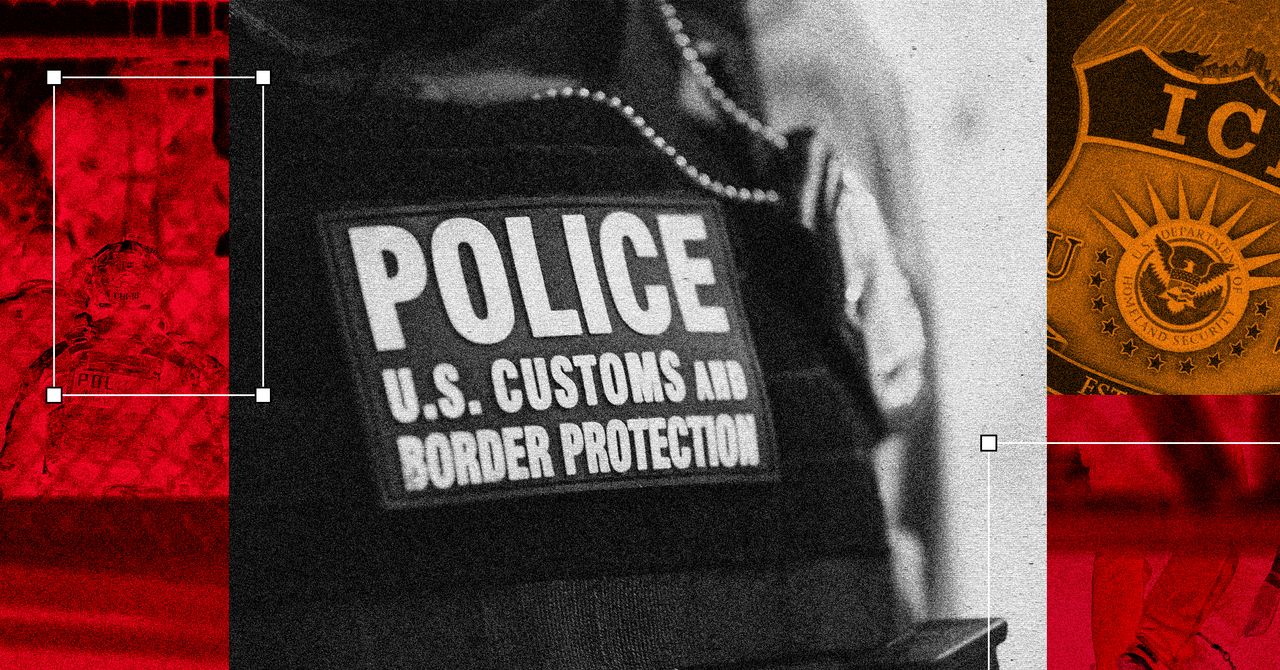
The expansion has been driven by specific legal and bureaucratic levers. Foremost was an April 2020 Justice Department rule that revoked a long-standing waiver allowing DHS to skip DNA collection from immigration detainees, effectively green-lighting mass sampling. Later that summer, the FBI signed off on rules that let police booking stations run arrestee cheek swabs through Rapid DNA machines—automated devices that can spit out CODIS-ready profiles in under two hours.
The strain of the changes became apparent in subsequent years. Former FBI director Christopher Wray warned during Senate testimony in 2023 that the flood of DNA samples from DHS threatened to overwhelm the bureau’s systems. The 2020 rule change, he said, had pushed the FBI from a historic average of a few thousand monthly submissions to 92,000 per month—over 10 times its traditional intake. The surge, he cautioned, had created a backlog of roughly 650,000 unprocessed kits, raising the risk that people detained by DHS could be released before DNA checks produced investigative leads.
Under Trump’s renewed executive order on border enforcement, signed in January 2025, DHS agencies were instructed to deploy “any available technologies” to verify family ties and identity, a directive that explicitly covers genetic testing. This month, federal officials announced that it was soliciting new bids to install Rapid DNA at local booking facilities around the country, with combined awards of up to $3 million available.
“The Department of Homeland Security has been piloting a secret DNA collection program of American citizens since 2020. Now, the training wheels have come off,” said Anthony Enriquez, vice president of advocacy at Robert F. Kennedy Human Rights. “In 2025, Congress handed DHS a $178 billion check, making it the nation’s costliest law enforcement agency, even as the president gutted its civil rights watchdogs and the Supreme Court repeatedly signed off on unconstitutional tactics.”
Oversight bodies and lawmakers have raised alarms about the program. As early as 2021, the DHS Inspector General found the department lacked central oversight of DNA collection and that years of noncompliance that can undermine public safety—echoing an earlier rebuke from the Office of Special Counsel, which called CBP’s failures an “unacceptable dereliction.”
US senator Ron Wyden more recently pressed DHS and DOJ for explanations about why children’s DNA is being captured and whether CODIS has any mechanism to reject improperly obtained samples, saying the program was never intended to collect and permanently retain the DNA of all noncitizens, warning the children are likely to be “treated by law enforcement as suspects for every investigation of every future crime, indefinitely.”
Rights advocates allege that CBP’s DNA collection program has morphed into a sweeping genetic surveillance regime, with samples from migrants and even US citizens fed into criminal databases absent transparency, legal safeguards, or limits on retention. Georgetown’s privacy center points out that once DHS creates and uploads a CODIS profile, the government retains the physical DNA sample indefinitely, with no procedure to revisit or remove profiles when the legality of the detention is in doubt.
In parallel, Georgetown and allied groups have sued DHS over its refusal to fully release records about the program, highlighting how little the public knows about how DNA is being used, stored, or shared once it enters CODIS.
Taken together, these revelations may suggest a quiet repurposing of CODIS. A system long described as a forensic breakthrough is being remade into a surveillance archive—sweeping up immigrants, travelers, and US citizens alike, with few checks on the agents deciding whose DNA ends up in the federal government’s most intimate database.
“There’s much we still don’t know about DHS’s DNA collection activities,” Georgetown’s Glaberson says. “We’ve had to sue the agencies just to get them to do their statutory duty, and even then they’ve flouted court orders. The public has a right to know what its government is up to, and we’ll keep fighting to bring this program into the light.”
