
Close Menu
TechurzTechurz

    Subscribe to Updates

    Get the latest creative news from FooBar about art, design and business.

    What's Hot

    Elon Musk’s last co-founder reportedly leaves xAI

    March 28, 2026

    From Moon hotels to cattle herding: 8 startups investors chased at YC Demo Day

    March 28, 2026

    Aetherflux reportedly raising Series B at $2 billion valuation

    March 27, 2026
    Facebook X (Twitter) Instagram
    Trending
    • Elon Musk’s last co-founder reportedly leaves xAI
    • From Moon hotels to cattle herding: 8 startups investors chased at YC Demo Day
    • Aetherflux reportedly raising Series B at $2 billion valuation
    • OpenAI shuts down Sora while Meta gets shut out in court
    • VCs are betting billions on AI’s next wave, so why is OpenAI killing Sora?
    • 16 of the most interesting startups from YC W’26 Demo Day
    • Defense startup Shield AI lands $12.7B valuation, up 140%, after US Air Force deal
    • Silicon Valley’s two biggest dramas have intersected: LiteLLM and Delve
    Facebook X (Twitter) Instagram Pinterest Vimeo
    TechurzTechurz
    • Home
    • AI
    • Apps
    • News
    • Guides
    • Opinion
    • Reviews
    • Security
    • Startups
    TechurzTechurz
    Home»News»Russian hackers target Gmail passwords to crack down on international critics
    News

    Russian hackers target Gmail passwords to crack down on international critics

    TechurzBy TechurzJune 23, 2025No Comments2 Mins Read
    Share Facebook Twitter Pinterest LinkedIn Tumblr Reddit Telegram Email
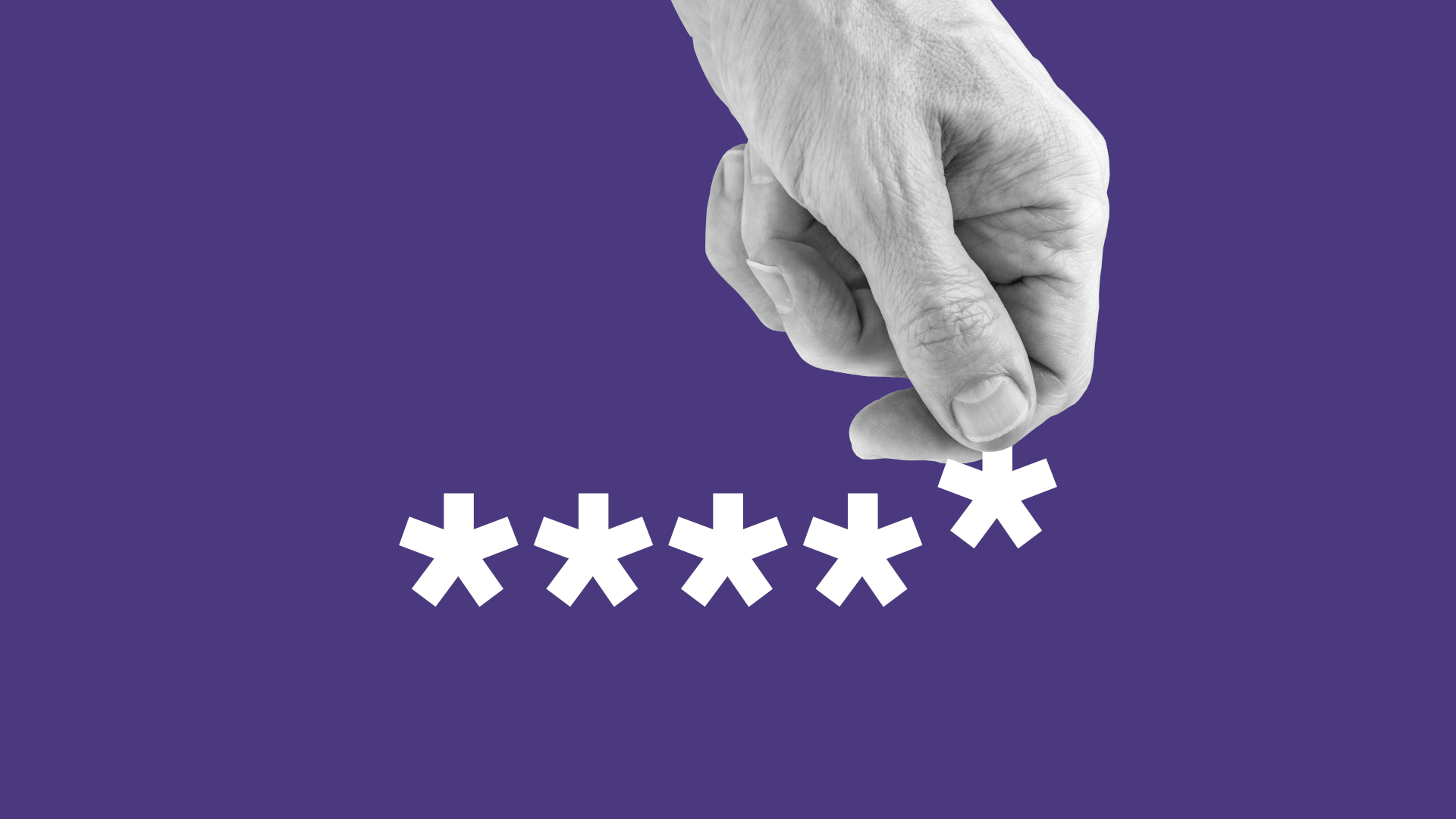
    A hand laying out a password
    Share
    Facebook Twitter LinkedIn Pinterest Email


    • International critics of Russia and academics have received phishing emails
    • Slow rapport building with fake US State Department teams
    • Victims are tricked into sharing Google app-specific passwords

    Google Threat Intelligence Group (GTIG) has shared details of a new threat actor tracked as UNC6293, believed to be a Russian state-sponsored group, targeting prominent academics and critics of the country.

    Victims have reportedly been receiving phishing emails using spoofed ‘@state.gov’ addresses in the CC field to build credibility, but instead of being hit with immediate malicious payloads, the attackers are using social engineering tactics to build rapports with their targets.

    Google’s researchers uncovered the slow-paced nature attackers used to build rapports with their victims, often sending them personalized emails and inviting them to private conversations or meetings.


    You may like

    Academics and critics are being targeted by Russia

    In one screenshot shared by Google’s threat intelligence team, Keir Giles, a prominent British researcher on Russia, received a fake US Department of State email believed to be part of the UNC6293 campaign.

    “Several of my email accounts have been targeted with a sophisticated account takeover that involved impersonating the US State Department,” Giles shared on LinkedIn.

    In the attack email, victims receive a benign PDF attachment designed to look like an invitation to securely access a (fake) Department of State cloud environment. It’s this website that ultimately gives the attackers, which Google believes could be linked to APT29 (aka Cozy Bear, Nobelium), access to a user’s Gmail account.

    Victims are guided to create an app-specific password (ASP) at account.google.com, and then share that 16-character ASP with the attackers.

    Sign up to the TechRadar Pro newsletter to get all the top news, opinion, features and guidance your business needs to succeed!

    “ASPs are randomly generated 16-character passcodes that allow third-party applications to access your Google Account, intended for applications and devices that do not support features like 2-step verification (2SV),” Google explained.

    Google highlights users can create or revoke ASPs at any time, and a pop-up on its site even advises users that ASPs “aren’t recommended and are unnecessary in most cases.”

    More importantly, though, is that while attacks come in all different flavors, social engineering and phishing remain highly effective vectors – and yet they’re typically comparably easy to detect, with a bit of prior understanding and training.

    The standard advice, then, remains – avoid clicking on attachments from email addresses you’re unfamiliar with, and certainly never share account credentials with unknown individuals.

    You might also like

    crack critics Gmail Hackers international passwords Russian target
    Share. Facebook Twitter Pinterest LinkedIn Tumblr Email
    Previous ArticleYou only need 6 moves, 2 dumbbells and 30 minutes to build a stronger core and full-body muscle
    Next Article Japanese shipping firm NYK acquires Kadmos, a salary payment platform for seafarers
    Techurz
    • Website

    Related Posts

    Opinion

    AI data labeler Handshake buys Cleanlab, an acquisition target of multiple others

    January 28, 2026
    Security

    CISA Flags VMware Zero-Day Exploited by China-Linked Hackers in Active Attacks

    November 1, 2025
    Security

    Nation-State Hackers Deploy New Airstalk Malware in Suspected Supply Chain Attack

    October 31, 2025
    Add A Comment
    Leave A Reply Cancel Reply

    Top Posts

    College social app Fizz expands into grocery delivery

    September 3, 20252,288 Views

    A Former Apple Luminary Sets Out to Create the Ultimate GPU Software

    September 25, 202516 Views

    The Reason Murderbot’s Tone Feels Off

    May 14, 202512 Views
    Stay In Touch
    • Facebook
    • YouTube
    • TikTok
    • WhatsApp
    • Twitter
    • Instagram
    Latest Reviews

    Subscribe to Updates

    Get the latest tech news from FooBar about tech, design and biz.

    Most Popular

    College social app Fizz expands into grocery delivery

    September 3, 20252,288 Views

    A Former Apple Luminary Sets Out to Create the Ultimate GPU Software

    September 25, 202516 Views

    The Reason Murderbot’s Tone Feels Off

    May 14, 202512 Views
    Our Picks

    Elon Musk’s last co-founder reportedly leaves xAI

    March 28, 2026

    From Moon hotels to cattle herding: 8 startups investors chased at YC Demo Day

    March 28, 2026

    Aetherflux reportedly raising Series B at $2 billion valuation

    March 27, 2026

    Subscribe to Updates

    Get the latest creative news from FooBar about art, design and business.

    Facebook X (Twitter) Instagram Pinterest
    • About Us
    • Contact Us
    • Privacy Policy
    • Terms and Conditions
    • Disclaimer
    © 2026 techurz. Designed by Pro.

    Type above and press Enter to search. Press Esc to cancel.