
Close Menu
TechurzTechurz

    Subscribe to Updates

    Get the latest creative news from FooBar about art, design and business.

    What's Hot

    Elon Musk’s last co-founder reportedly leaves xAI

    March 28, 2026

    From Moon hotels to cattle herding: 8 startups investors chased at YC Demo Day

    March 28, 2026

    Aetherflux reportedly raising Series B at $2 billion valuation

    March 27, 2026
    Facebook X (Twitter) Instagram
    Trending
    • Elon Musk’s last co-founder reportedly leaves xAI
    • From Moon hotels to cattle herding: 8 startups investors chased at YC Demo Day
    • Aetherflux reportedly raising Series B at $2 billion valuation
    • OpenAI shuts down Sora while Meta gets shut out in court
    • VCs are betting billions on AI’s next wave, so why is OpenAI killing Sora?
    • 16 of the most interesting startups from YC W’26 Demo Day
    • Defense startup Shield AI lands $12.7B valuation, up 140%, after US Air Force deal
    • Silicon Valley’s two biggest dramas have intersected: LiteLLM and Delve
    Facebook X (Twitter) Instagram Pinterest Vimeo
    TechurzTechurz
    • Home
    • AI
    • Apps
    • News
    • Guides
    • Opinion
    • Reviews
    • Security
    • Startups
    TechurzTechurz
    Home»AI»Tech in the Classroom: A History of Hype and Hysteria
    AI

    Tech in the Classroom: A History of Hype and Hysteria

    TechurzBy TechurzAugust 19, 2025No Comments3 Mins Read
    Share Facebook Twitter Pinterest LinkedIn Tumblr Reddit Telegram Email
    Tech in the Classroom: A History of Hype and Hysteria
    Share
    Facebook Twitter LinkedIn Pinterest Email

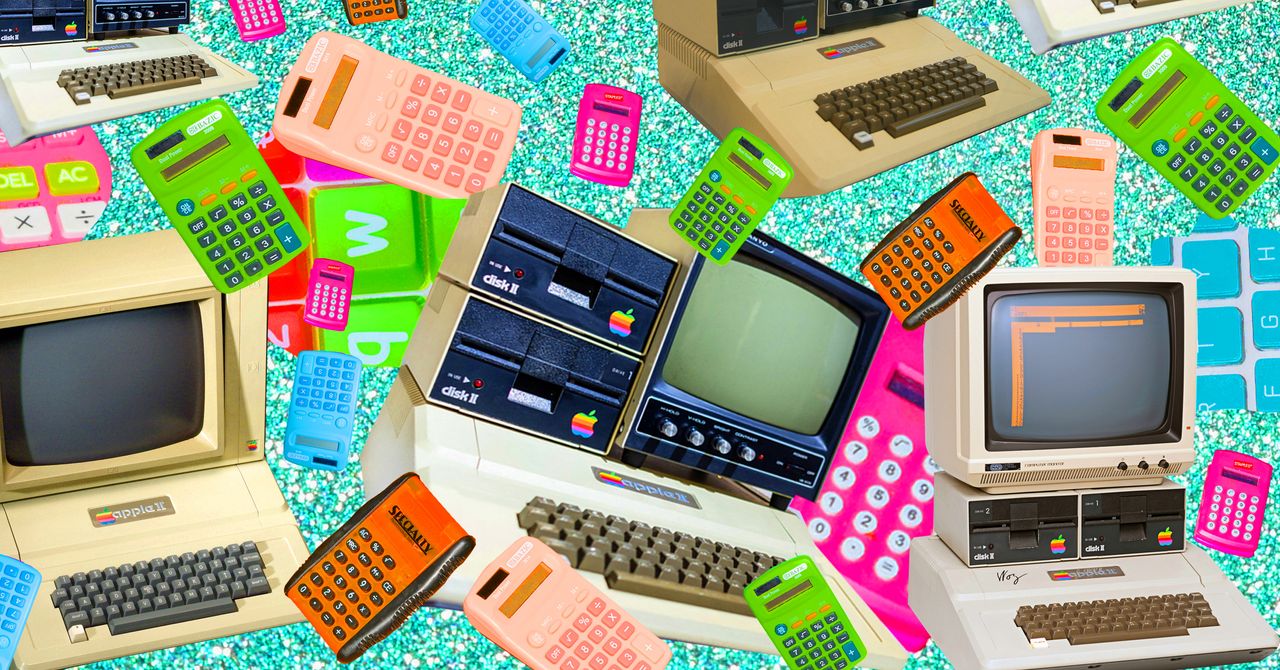
    Adoption by schools: Apple played a crucial role in getting computers into classrooms, in part by promoting legislation to offer tax breaks to computer manufacturers that donated computers to schools, museums, and libraries. In the early 1980s, Apple donated close to 10,000 of its Apple IIe computers to California schools as part of the company’s Kids Can’t Wait program.

    In 1984, there was a 1:92 computer-to-student ratio in US public schools. Twenty-four years later, in 2008, the ratio was 1:4. By 2021, 90 percent of school district leaders surveyed by Education Week said they were providing one “school-issued digital learning device” per middle and high school student. Eighty-four percent said they were doing the same for their elementary school students.

    Public Panic:

    “A. Daniel Peck, an education professor at San Francisco State University, is typical of an increasingly vocal body of skeptics. ‘We’re in a computer religion explosion to the detriment of basic-skills education,’ Peck says. ‘We ought to be looking at the extent to which the computer splurge is diluting education; it most certainly is not helping.’ Peck has organized an ad hoc committee of educators and business people, called the Committee on Basic Skills Education, to combat the march of computers into the schools. A position paper by the group calls for help to ‘stop the bandwagon’ before ‘the educational system goes overboard on its reliance on microcomputers.’”

    “Computers: Too Much Too Soon,” The Washington Post, 1983

    The Interactive Whiteboard

    Introduced to the public: 1991

    Cost: In 2009, they cost from $700 to $4,500 (from about $1,069 to $6,874 when adjusted for inflation).

    Adoption by schools: Close to one-third of K-12 classrooms in the US had an interactive white board (or “wall screen”) by 2009. From 2004 to 2009, global sales rose from 170,000 to 700,000—mostly to schools.

    Public Panic:

    “There are real concerns about the high cost of whiteboards. Many educators would prefer to see investment go into other technologies, like laptops or tablet devices. Educators are also concerned that whiteboards emphasize teacher-centered lessons over student-centered lessons.”

    “Interactive Whiteboards Allow More Sharing,” The New York Times, 2012

    The Internet

    Introduced to the public: The World Wide Web was launched in 1991, but mainstream use of the internet kicked off when Mosaic, the first graphical web browser, was released in 1993.

    Cost: In 1996, unlimited access to the internet through AOL cost $19.99 a month (about $42 when adjusted for inflation).

    Adoption by schools: In 1994, 3 percent of US public schools had internet access. By 2001, that had risen to 87 percent. The Federal Communications Commission’s E-Rate program, established in 1996 as part of the Telecommunications Act, helped subsidize the internet for schools and libraries. By 2001, the E-Rate program committed $5.8 billion to applicants throughout the nation.

    Public Panic:

    “Yes, the Internet is a fantastic, vibrant, and evolving medium that is changing the world. However, this is not a technology destined to improve our schools. [President Bill] Clinton’s Internet infatuation offers a pathetic but telling symbol of just how much the history and role of technology in education is misunderstood. This infatuation is about politics and pandering, not promise and potential.”

    Classroom History Hype Hysteria tech
    Share. Facebook Twitter Pinterest LinkedIn Tumblr Email
    Previous ArticleToday’s NYT Mini Crossword Answers for Aug. 19
    Next Article Why space is the new battlefield
    Techurz
    • Website

    Related Posts

    Opinion

    Sequen snags $16M to bring TikTok-style personalization tech to any consumer company

    March 18, 2026
    Opinion

    H&M wants to make clothing from CO2 using this startup’s tech

    March 17, 2026
    Opinion

    Another deep tech chip startup becomes a unicorn: Frore hits $1.64B

    March 16, 2026
    Add A Comment
    Leave A Reply Cancel Reply

    Top Posts

    College social app Fizz expands into grocery delivery

    September 3, 20252,288 Views

    A Former Apple Luminary Sets Out to Create the Ultimate GPU Software

    September 25, 202516 Views

    The Reason Murderbot’s Tone Feels Off

    May 14, 202512 Views
    Stay In Touch
    • Facebook
    • YouTube
    • TikTok
    • WhatsApp
    • Twitter
    • Instagram
    Latest Reviews

    Subscribe to Updates

    Get the latest tech news from FooBar about tech, design and biz.

    Most Popular

    College social app Fizz expands into grocery delivery

    September 3, 20252,288 Views

    A Former Apple Luminary Sets Out to Create the Ultimate GPU Software

    September 25, 202516 Views

    The Reason Murderbot’s Tone Feels Off

    May 14, 202512 Views
    Our Picks

    Elon Musk’s last co-founder reportedly leaves xAI

    March 28, 2026

    From Moon hotels to cattle herding: 8 startups investors chased at YC Demo Day

    March 28, 2026

    Aetherflux reportedly raising Series B at $2 billion valuation

    March 27, 2026

    Subscribe to Updates

    Get the latest creative news from FooBar about art, design and business.

    Facebook X (Twitter) Instagram Pinterest
    • About Us
    • Contact Us
    • Privacy Policy
    • Terms and Conditions
    • Disclaimer
    © 2026 techurz. Designed by Pro.

    Type above and press Enter to search. Press Esc to cancel.