

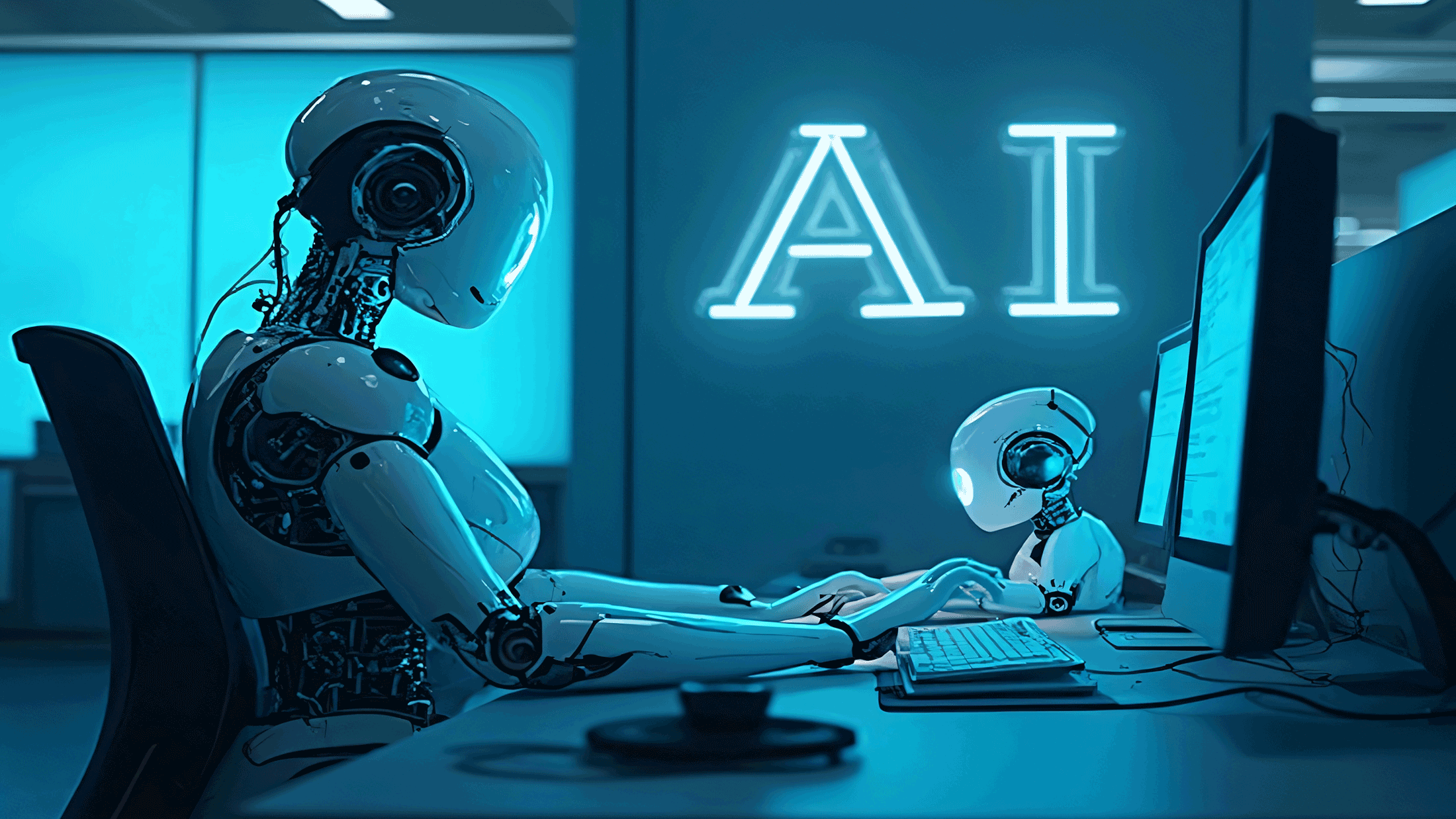
AI is often seen as a tool for efficiency, but its role in content generation and brand-building is still evolving. The rise of AI website builders has sparked debate: Can an algorithm create something that feels personal, unique, and authentic to a brand’s identity?
We’re entering a new chapter in digital creativity, one in which AI is not just executing tasks faster, but helping to shape tone of voice and brand narrative. However, that shift comes with both promise and responsibility.
Julie Osborn
Social Links Navigation
Director of Product Marketing at Squarespace.
The creative tension between automation and authenticity
At its core, design is about storytelling and creating experiences that connect emotionally, not just functionally. Great stories rarely come from cookie-cutter templates. Yet for many early AI-powered tools, speed has been the primary objective, resulting in content that feels overly generic or misaligned with a user’s brand or message.
You may like
This trade-off between automation and authenticity is one of the defining tension points of AI-assisted design. It’s also the area where the most interesting progress is happening. The best emerging tools are now capable of far more than just populating placeholder text and inserting stock imagery. They’re learning to synthesize brand inputs, design preferences, and user prompts into something closer to a creative brief that adjusts dynamically in real time.
This evolution matters. In today’s digital economy, a brand’s website is more than just a storefront, it’s a reflection of personality and trustworthiness. The ones that feel personal and genuine are the ones that truly stand out. Today’s consumers are looking for more than just products or services.
They’re drawn to stories and experiences they can connect with. By expressing a unique and consistent voice, brands can foster deeper emotional connections with their customers, building trust and long-term loyalty. For entrepreneurs and small businesses trying to break through the noise, every pixel has to carry weight.
The rise of AI fluency as a creative skill
As AI becomes more accessible and powerful, a new form of literacy is needed for all creatives: AI fluency. Knowing how to speak to an algorithm – crafting the right prompts, steering creative direction, and refining outputs – is becoming just as important as traditional design skills. However, the future of design doesn’t lie in replacing creative vision with algorithmic output, but in building systems where human taste and expertise remain critical and shine through.
Unlike earlier waves of automation that aimed to remove friction at all costs, a new generation of AI design tools is being shaped not just by engineers but by artists, brand experts, and product designers. This shift prioritizes art direction and intentionality over brute-force automation. In practice, it means packaging the nuanced expertise of experienced designers into a format that can scale without flattening individuality or sacrificing taste and composition.
The real innovation isn’t just the generative model itself, but the ways it can be shaped by human judgment and intent. When guided and curated by humans, these tools don’t replace designers, they empower them. Their creativity becomes embedded into the tool itself, ensuring output that feels on-brand.
This reframing of AI as a creative partner, not a replacement, presents an opportunity to reimagine how design work happens. Rather than threatening creative roles, it elevates the value of creative judgment, turning style and storytelling into skills that help steer AI systems. The result? More empowered creators, more unique brand identities, and more space for human expression in the age of automation.
This shift is democratizing web design. Professional-grade websites once required hours of manual work, but can now be created by individuals with a vision and a few minutes to spare. It’s also changing behavior: more users are publishing earlier in their website journey, and fewer are spending time replacing stock images or tweaking default templates. These signals suggest that the technology is finally catching up to users’ creative expectations.
Personalization, not homogenization
Still, speed isn’t the endgame. If all AI-generated sites start to look and sound the same, we haven’t solved the real problem; we’ve just automated it.
One of AI’s greatest promises is personalization at scale: building systems that offer billions of possible combinations in layout, imagery, tone, structure, fonts, and more. The goal isn’t to replicate what a human designer would do, it’s to offer something that feels equally thoughtful and branded.
True personalization, however, isn’t about token customization; it’s about channeling human nuance, taste, and storytelling into design outcomes that feel unmistakably “you”. The tools that are getting this right don’t just churn out content, they reflect brand personality and the specifically individualized taste of the ones creating it.
When personalization is art-directed by human expertise, it transcends templates and starts to feel like a genuine extension of the user’s voice. The best tools honor that voice, guiding and accelerating the process, while preserving creative control so the end result stays true to the user’s vision.
Toward human-centered AI
The real promise of AI in design isn’t just about what it can do. It’s about what it can enable people to do. That’s the true measure of progress in this instance: are we making it easier for people to express themselves creatively, or are we simply optimizing them out of the process?
For now, the outlook is hopeful. AI can be a powerful accelerant for entrepreneurship, a creative collaborator for designers, and a tool for expression for anyone with a story to tell. But realizing that vision requires more than smart algorithms. It takes thoughtful engineering, ethical design, and a relentless focus on user empowerment.
Systems that prioritize human-centered design don’t just speed things up, they make space for better ideas to emerge faster, supporting entrepreneurs, small businesses, and creators in building high-quality digital presences with fewer barriers.
We’re not just automating websites, we’re redefining how people bring their ideas and identities to life online. And in that mission, technology should always serve creativity, not the other way around.
We’ve compiled a list of the best website builder services.
This article was produced as part of TechRadarPro’s Expert Insights channel where we feature the best and brightest minds in the technology industry today. The views expressed here are those of the author and are not necessarily those of TechRadarPro or Future plc. If you are interested in contributing find out more here: https://www.techradar.com/news/submit-your-story-to-techradar-pro
