

The first thing that always crosses my mind when testing fitness wearables is how accurate the data is. Smartwatches and fitness trackers aren’t cheap, and if you’re using them to monitor something as crucial as your health, then accuracy matters.
Everyone and their brother wear some sort of fitness tracker, whether it be an Apple Watch, Google Pixel Watch, Oura Ring or Whoop. It’s estimated that one in three Americans uses a wearable device for health and fitness tracking features. That brings me back to whether these things can be trusted. If they’re not accurate… What’s the point? Should we all go back to analog?
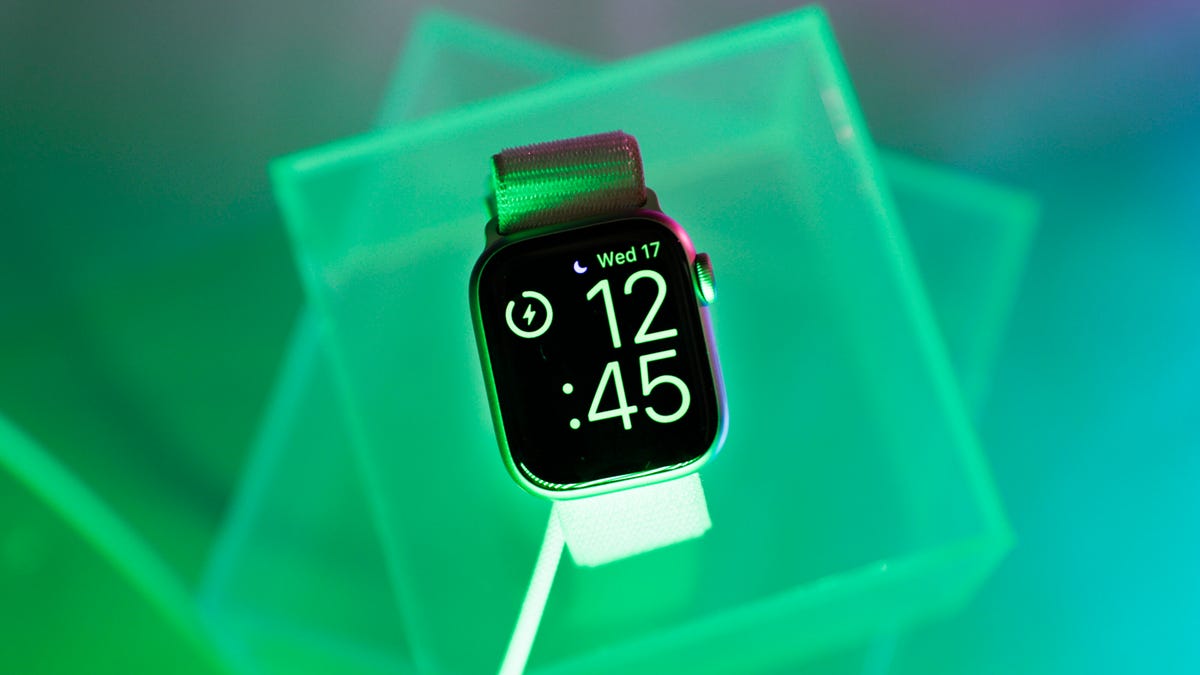
Researchers from the University of Mississippi conducted a meta-analysis of 56 studies that compared the Apple Watch with reference tools when measuring factors like heart rate, step count and energy burned. While there’s always some expected error, we have a more definitive answer for how much stock you should put in the numbers you see on your watch.
Apple Watches are good at measuring steps and heart rate
The meta-analysis findings show that the Apple Watch accurately measures your heart rate and step count. We know this based on the mean absolute percentage error measurement (the standard way to measure accuracy) reported for each health metric.
Heart rate had a percentage error of 4.43%, while step count had an error of 8.17%. Anything below 10% is considered excellent, so you should feel pretty confident in what your Apple Watch says your heart rate and step count are for the day.
However, you shouldn’t rely on the energy expenditure metric
The same can’t be said for energy expenditure or calories burned. The percentage error for this metric was 27.96%. That’s a significant jump in inaccuracy. Researchers found energy expenditure inaccurate across all activities tested, including walking, running, mixed-intensity workouts and cycling.
This isn’t a new problem. Several studies have found that smartwatches and trackers don’t do a great job of calculating calorie burn. They can be off by 40% to 80%. A different study revealed that the Apple Watch Series 9 can vary in energy expenditure and heart rate measures across skin pigmentation.
While this study was specific to Apple Watches, I expect similar trends across other devices because they often measure similarly. One study found that the Fitbit Surge had a mean error of 27% when measuring calories burned.
Smartwatches calculate how many calories you burn throughout the day, using factors such as your movements, heart rate and data from the sensors inside the watch. Other factors, such as your age, weight and gender, are also included in this calculation. None of them will be 100% accurate.
Where does this leave you and your data?
This news doesn’t scare me as a smartwatch wearer who uses my daily data to track my workouts and sleep. I still think the data smartwatches give us is a great way to stay motivated.
I’ve used the Google Pixel 3 watch to monitor my heart health thanks to the cardio load metric. When it comes to sleep, I’ve noticed some inaccuracy when it comes to when I fall asleep and wake up, though it’s not a huge difference. Most trackers use your heart rate and movement to track your sleep, so it’s unsurprising to see some degree of error. There’s always some error, and for my use, that’s OK. I use my data for trends of my progress, rather than extremely granular data. Though if you’re a serious athlete who tracks down to the calorie, it’s essential not to rely on your smartwatch for this number.
Your smartwatch is a tool to guide you through your wellness journey. Use it to build habits and make meaningful changes, not diagnose medical conditions. That said, I wouldn’t count out smartwatch features like Apple’s Vital app, fall detection or the loss-of-pulse detection feature that Google Pixel watches are getting.
Apple and other brands continuously release updates to improve their tech over time. And if you’re wondering which smartwatch you should get for the best accuracy, it’s hard to say. They all have their own tracking methods, even if they often overlap. None of them are perfect, so it’s best to choose which one fits your budget and vibe best.
