


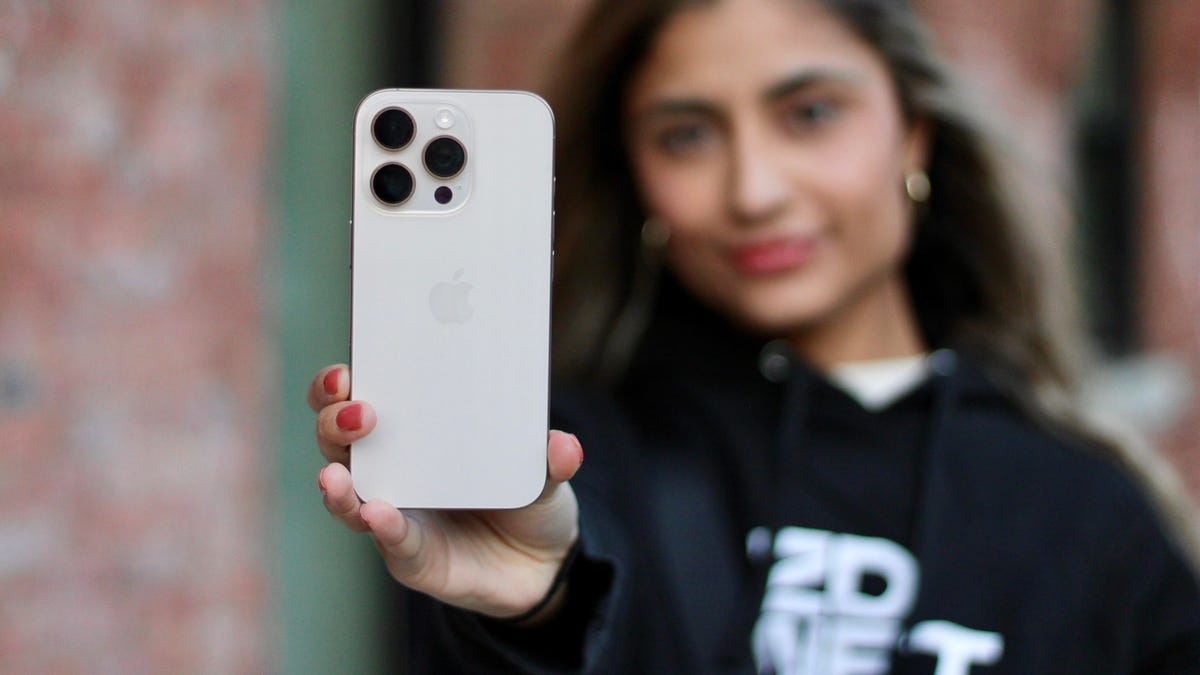
If you’ve been eyeing an Apple iPhone for your next big upgrade, how do you decide which one is best for you? With so many configurations and models available today, and the various software and feature implications that come with, the journey of choosing the right model has never been longer. For years, I’ve tested every iPhone released, including the large-sized iPhone 16 Pro Max and the budget-oriented iPhone 16e, gathering insights on what models resonate with what type of user.
With iOS 26 officially out in public beta, and the iPhone 17 series expected to launch in a matter of months, the dynamics of how you decide which iPhone model to buy and how you interact with it have just changed again. Notably, the latest software version will likely not be compatible with some older iPhones, including the iPhone XR and XS. So I’d advise against buying those two models, even if they can be had for less money. Instead, I’d consider your best options below.
What is the best iPhone right now?
ZDNET’s mobile experts carefully test every iPhone model at release, putting them through their paces to provide you with the best advice on which model to buy and the key features to look out for when you do. Right now, our pick for the best iPhone overall is the iPhone 16 Pro Max, thanks to its vivid and slim-bezel display, extensive camera tools, including a dedicated Camera Control button, and support for Apple Intelligence features. Should you prefer a smaller, easy-to-handle form factor, consider the iPhone 16 Pro.
For most people, the standard iPhone 16 is your best bet if you want the latest iOS 26 features and Camera Control but don’t want to spend a thousand dollars. It helps that the base iPhone models this year sport colorful finishes that are sure to appeal.
Also: The best phones: Expert tested
The best iPhones of 2025
Show less
The iPhone 16 Pro Max is the best iPhone overall due to its highly capable specifications and supersized attributes. It’s the iPhone model that sets a new standard for Apple every year and continues to be a worthy competitor to Samsung’s S Ultra series and Google’s Pixel Pro XL.
Why we like it: Besides being the largest iPhone Apple currently offers, with a 6.8-inch AMOLED display, the iPhone 16 Pro Max also has the best-rated battery life of 27 hours of video playback. From our tests, we found the phone lasted much longer than the standard 16 Pro and last year’s 15 Pro Max.
The iPhone 16 Pro Max looks and feels fairly similar to its predecessor, the iPhone 15 Pro Max, as it’s also made of titanium instead of the previous versions’ stainless steel. This material choice “makes the Pro phones about 10% lighter (than their predecessors) and is very durable,” as ZDNET’s editor-in-chief, Jason Hiner, describes it.
The one notable hardware change comes in the form of a Camera Control key on the right side of the device. Camera Control lets you quickly turn on the camera app, adjust color tones and other photographic settings, and capture pictures and videos. It’s a useful tool that, with a bit of practice, can be essential for creative workflows.
Review: iPhone 16 Pro and Pro Max
Who it’s for: The iPhone 16 Pro Max is a flagship phone that commands a flagship price, meaning it’s ideal for users who are willing to pay for the best iPhone available, whether that’s directly through retailers or through carrier deals. You should buy the Pro Max version if you want the larger screen, enduring battery life, and triple-camera setup.
Who should look elsewhere: But if you’re shopping on a budget and don’t mind a smaller screen, consider the $999 iPhone 16 Pro ($200 cheaper and with a 6.1-inch display). If you can live without the dedicated telephoto lens, you can even go with the $899 iPhone 16 Plus, which features a large screen and battery, but only has wide and ultrawide lenses for shooting.
iPhone 16 Pro Max specs: Processor: Apple A18 Pro Bionic | Display size: 6.8 inches with 120 Hz refresh rate | Storage options: 256 GB, 512 GB, 1 TB | Rear cameras: 48 MP wide, 48 MP ultra-wide, and 12 MP 5× telephoto | Front camera: 12 MP | Colors: Natural Titanium, Desert Titanium, White, Black | Weight: 227 g | Starting price: $1,099
Read More
Show Expert Take Show less
Show less
The iPhone 16 looks, feels, and performs like a premium phone should. It also starts at $300 less than the iPhone 16 Pro series, putting it in closer reach for most consumers
Why we like it: The iPhone 16 brings several premium features from the Pro models — including the Camera Control key, Dynamic Island, and support for Apple Intelligence — making it feel closer to a Pro than ever before.
From our hands-on testing with the model, its slimmer, lighter design with curved edges offers a noticeably more comfortable grip than older iPhones, without sacrificing durability or style. Add in solid battery life, the reliable A18 Bionic chip, and a fun lineup of colors, and you’ve got a well-rounded device that delivers excellent value.
Review: iPhone 16 and iPhone 16 Plus
Who it’s for: The iPhone 16 is a great choice for anyone who wants a modern iPhone with high-end features but doesn’t need — or want to pay for — the full Pro experience. If you care about one-handed usability, reliable performance, and a camera that can now shoot macro and spatial videos, the iPhone 16 hits the sweet spot. Opt for the standard size for compact comfort, or go with the Plus model for longer battery life and a bigger screen.
Who should look elsewhere: If you’re a power user who needs features like a telephoto lens, ProMotion (120Hz) display, or more advanced camera tools, you may still want to spring for the iPhone 16 Pro.
Likewise, if you’re coming from an iPhone 14 or newer and don’t care much about spatial video or macro photography, the upgrade may feel incremental. Budget-conscious shoppers might also prefer to stick with the iPhone 16e or previous-gen models that still offer strong performance at a lower price.
iPhone 16 specs: Processor: Apple A18 Bionic | Display size: 6.1 inches and 6.7 inches with 60Hz refresh rate | Storage options: 128GB, 256GB, 512GB | Rear cameras: 48MP wide, 12MP ultra-wide | Front camera: 12MP | Colors: Ultramarine, Teal, Pink, White, Black | Weight: 170g | Starting price: $799
Read More
Show Expert Take Show less
Show less
Going off of retail price alone, the latest iPhone 16e is the cheapest iPhone on the market right now. The $599 starting price comes with its caveats, of course, but there are still several iPhone benefits that may interest budget shoppers.
Why we like it: From our tests, the iPhone 16e excels in ways that are essential to most users, from the 6.1-inch OLED display that’s both comfortable to hold and easy to view content, to the exceptional battery life thanks to the efficiency of the A18 processor, to the single 48MP Fusion camera that’s capable of capturing vivid and detailed imagery.
Sure, you’ll have to settle with some trade-offs, such as the notched display and lack of MagSafe connectors. Still, the overall experience of the iPhone 16e, which runs on iOS 18 with most Apple Intelligence features, makes it a reliable handset for hundreds less than the flagship iPhones.
Review: Apple iPhone 16e
Who it’s for: The iPhone 16e is ideal for shoppers who want the quintessential iPhone experience — FaceTiming in decent camera quality, iMessage texting with the latest chat features, firing up multiple apps in sequence, etc. — but don’t want to spend a grand on a phone. As ZDNET’s Sabrina Ortiz said after switching over from an iPhone 16 Pro, “I am equally impressed as I am surprised.”
Who should look elsewhere: The absence of MagSafe was one of our main critiques when testing the iPhone 16e, so if you’re already accustomed to the popular accessory mechanic, you’ll want to consider alternatives that support the feature, like the iPhone 16 and iPhone 15. The premium iPhone models also offer more flexible camera capabilities, including dedicated telephoto and/or ultrawide lenses.
iPhone SE specs: CPU: Apple A18 | Display: 6.1 inches with 60Hz refresh rate | Internal storage: 128GB, 256GB, 512GB | Rear cameras: 48MP wide | Front camera: 12MP | Colors: Black, White | Weight: 167g | Starting price: $599
Read More
Show Expert Take Show less
Show less
While Apple has officially discontinued its iPhone Mini models, the iPhone 13 Mini is still your best option if you want a truly small flagship iPhone.
Why we like it: The iPhone 13 Mini packs formidable specs by today’s standards –including the same A15 Bionic chip found in the iPhone 13 Pro and iPhone 14 — into a truly pocketable design. You still get Face ID, 5G, wireless charging, and reliable dual 12MP rear cameras, all for around $250 refurbished.
For those who miss the days of one-handed phones without sacrificing performance, our real-world experiences with the 13 Mini have proven it to be a more ergonomic experience than any other iPhone model.
Review: Apple iPhone 13 Mini
Who it’s for: This is the ideal phone for small phone enthusiasts, minimalists, or anyone who wants flagship-level features in a compact body. It’s a great pick if you’re willing to buy a refurbished one and want something slightly less outdated than the iPhone SE (2022). The iPhone 13 Mini is also a great option for users who want a spare phone for business or creative purposes.
Who should look elsewhere: If battery life, screen size, or multitasking are high priorities, the iPhone 13 Mini will fall short. Its smaller display isn’t great for media consumption, and the compact battery won’t match the endurance of larger models we’ve tested. Anyone needing the latest features or preferring to buy new might be better off with a current-generation iPhone like the iPhone 15 or iPhone 16e, despite the trade-offs.
iPhone 13 Mini specs: Processor: Apple A15 | Display size: 5.4 inches with 60Hz refresh rate | Storage options: 128GB, 256GB, 512GB | Rear cameras: Two 12MP (wide and ultra-wide) | Front camera: 12MP | Colors: Starlight, Midnight, Red, Pink, Blue | Weight: 141g | Starting Price: $350
Read More
Show Expert Take Show less
Show less
While Apple continues to segment its iPhone line with “Pro” and “Plus” models, the regular offering, such as the now two-year-old iPhone 15, continues to be a viable option for consumers.
Why we like it: The iPhone 15 hits a sweet spot in Apple’s lineup, offering many of the features previously reserved for Pro models — like the Dynamic Island, USB-C charging, and a sleek, contoured design — at a more accessible price. It’s powered by the A16 Bionic chip (the same one used in the iPhone 14 Pro), making it fast and capable for everyday use, from gaming to multitasking.
Both the standard and Plus models are also receptive to Apple’s iOS 26 update, so you’ll gain access to the Liquid Glass redesign, enhanced CarPlay experience, and more. Combine that with one of the brighter Super Retina XDR displays we’ve measured and an improved 48MP main camera, and you get a phone that feels like a serious upgrade without the Pro price tag.
Review: Apple iPhone 15
Who it’s for: This is the iPhone for people who want modern features, strong performance, and great cameras without splurging on a Pro model. It’s ideal for everyday users who care about photography, video, and overall speed but don’t necessarily need a ProMotion display or a telephoto lens.
Starting at $699 — or less if you shop around — it’s a smart buy for most people who want a current-generation iPhone that’s built to last.
Who should look elsewhere: Power users who want the absolute best camera setup, a 120Hz display, or advanced editing tools may still prefer the iPhone 15 Pro or iPhone 16 Pro. And if budget is your biggest concern, the iPhone 14 or 16e might be a better fit — especially if you don’t mind sacrificing some modern design touches. Those upgrading from an iPhone 14 may also find the leap a bit underwhelming unless features like USB-C or the 48MP camera are must-haves.
iPhone 15 specs: Processor: Apple A16 | Display size: 6.1 inches with 60Hz refresh rate | Storage options: 128GB, 256GB, 512GB | Rear cameras: 48MP wide and 12MP ultrawide | Front camera: 12MP | Colors: Blue, Pink, Yellow, Green, Black | Weight: 171g | Starting price: $699
Read More
Show Expert Take Show less
After weighing out the specs and reviewer-tested experiences, the best iPhone is currently the iPhone 16 Pro Max. It’s got a beautiful AMOLED display, a powerful (and future-proofed) chipset, and a reliable camera system that covers all the bases and angles. Naturally, the 16 Pro Max is also Apple’s most expensive model, so if pricing is a concern, consider cheaper options like the iPhone 16e and even older models.
iPhone models compared
Base Price
Base Storage
Display
Processor
Cameras (rear)
iPhone 16 Pro Max
$1,099
128GB
6.8 inches
A18 Pro
Three
iPhone 16
$799
128GB
6.1 inches
A18
Two
iPhone 15
$699
128GB
6.1 inches
A15
Two
iPhone 13 Mini
$480
128GB
5.4 inches
A15
Two
iPhone 16e
$599
128GB
6.1 inches
A18
One
Show more
The answer depends on your needs and preferences. For example, while the Samsung Galaxy S25 Ultra is ZDNET’s current pick for best phone of 2025, it may not be the best option for you if you often rely on services like iMessage and FaceTime, which are exclusive to Apple’s operating systems.
Previously, the gap between iPhones and Android phones was much larger due to Apple opting for a Lightning port instead of USB-C, but with the iPhone 15 models switching to the more universal port for charging and data transfer, it’s become less intimidating to switch from Android to iPhone, and vice versa.
Show more
It used to be fairly easy to choose an iPhone model as you typically opted for either the “big” iPhone or the “small” one. With four models available in the iPhone 16 series alone, you now have to dig a bit deeper to choose which is best for you. This is especially true of the iPhone 16 and 16 Pro, which feature nearly the same hardware, so check out our question above for more on this decision.
Size is generally the first factor to consider, followed by price. Price limits will also drive the amount of internal storage you select for your iPhone.
One fantastic aspect of the iPhone is that all models receive software support for years and years, so it’s perfectly viable to buy an older model and trust that it will work well for you for quite some time.
Choose this iPhone…
If you want…
Apple iPhone 16 Pro Max
The top-of-the-line iPhone experience. Buy the Pro Max if you want the largest iPhone available without any of the compromises found on other models. This variant, along with the Pro, will also support Apple’s existing (and upcoming) AI features.
Apple iPhone 16
A reliable iPhone that now includes several Pro features. For most users, the standard iPhone 16 should be more than enough.
Apple iPhone 16e
The iPhone 16e is the cheapest model that Apple officially sells. You’ll have to settle with a smaller, MagSafe-less design, but the performance makes up for it.
Apple iPhone 13 Mini
The only iPhone Mini that Apple makes. This is arguably the best compact smartphone money can buy, even if it’s nearly three years old.
Apple iPhone 15
An older iPhone that can handle modern-day tasks. The iPhone 15 is still a solid smartphone if you want the Apple experience for less, and it supports USB-C.
Show more
We chose these smartphones by testing them for weeks and months, evaluating them based on real-world applications like phone calls, messaging, web browsing, and taking way too many pictures and videos.
ZDNET’s mobile experts also liaise with industry colleagues and analysts who have hands-on experience with the handsets, sifting through the iPhone pile for the best of the best. Here’s the breakdown of what factors we look for.
- Display: Possibly the most overlooked feature on a smartphone, the display is what you stare at, scroll at, and interact with day in and day out. Therefore, when picking the best iPhones — no matter the budget — ZDNET puts an emphasis on devices with above-average panels. Ideally, a good display covers a wide color gamut, is durable, and has a high refresh rate for the smoothest visuals.
- Performance: One of iPhones’ biggest strengths is their in-house silicon, namely the A-series of Apple chipsets. Thanks to this mingling of proprietary hardware and software, we’ve found the latest iPhones very capable of running the daily and weekly onslaught of apps and services.
- Camera quality: From group selfies to slow-motion videos, the best iPhones feature camera systems that are reliable and flexible to capture any shot you want. Naturally, an ample amount of storage size is also considered during the selection process.
- Battery life: For how reliant we’ve become on smartphones, the top picks on this list are not only able to last you from morning to night but also support fast charging when it’s time to top up.
- Price: What you won’t find on this list is a device that’s not worth the money or is overcharging you for the hardware-software package you’re getting.
Show more
ZDNET’s review team spends upwards of a year testing the ins and outs of every major iPhone release, evaluating the day-to-day performance, camera quality, battery life and endurance, and more. Here’s a breakdown of every factor we consider before we make recommendations:
- Design and ergonomics: How good a phone looks and feels plays a big role in many users’ buying journeys, so we consider these aspects heavily when testing.
- Performance: Several factors affect a phone’s performance, including LTE/5G signal, battery life, and background tasks. Therefore, we typically begin our evaluations with a fully charged handset, with all background tasks closed, and with as stable of a mobile connection as possible.
- Camera quality: ZDNET tests phone cameras by capturing hundreds of photos and videos of various subjects and in various lighting conditions. We also compare the output to that of older models.
- Battery life and charging: It’s also important for us to evaluate how long phones last under light, moderate, and heavy usage, how long they take to recharge, and how they do it (wired, wireless, or both).
- Special features: These features distinguish tested devices from a bustling smartphone market and hopefully bring added value to users, not the opposite.
- Pricing and availability: Beyond budget considerations, we also note if a phone is available in the US or only internationally.
For a more extensive breakdown, check out our comprehensive phone testing methodology page.
Show more
There are two major iPhone news stories that you should be aware of right now.
First, Apple just released the public beta of iOS 26, meaning general consumers can now test the upcoming software version ahead of its September (typical) release. iOS 26 introduces key changes to how apps and interfaces are visualized, due to the new Liquid Glass design language, as well as usability enhancements across popular services like Messages, Phone, CarPlay, and Photos.
Of course, you’ll need to use a compatible iPhone model to enroll in the public beta; anything from the iPhone 11 and onward should qualify.
The second big news story concerns the iPhone 17 series, which is expected to launch in September in five different models: iPhone 17, iPhone 17 Plus, iPhone 17 Pro, iPhone 17 Pro Max, and iPhone 17 Air (or Slim). Recently, X user @Skyfops shared two images of what can be assumed to be an Apple employee handling a test-development iPhone in California.
Also: First look at iPhone 17 Pro? Public images seemingly confirm big design and camera changes
While the product in question is encased in a security cover and privacy screen protector, the unique camera module on the back suggests that the person is holding an iPhone 17 Pro, with the LiDAR sensor and flash embedded on the right side of the device.
The rumored horizontal camera bar, considered one of the more significant iPhone hardware changes in recent years, will be a welcome change. It suggests that Apple will give the upcoming iPhone models a noticeable upgrade in camera optics. (It also tells me that the iPhones will rock a little less when set on a table.)
Show more
There are several ways you can keep your iPhone clean and pristine.
- One way is by equipping a protective case and/or screen protector. The best iPhone cases offer reliable drop and scratch protection, won’t bulk up the phone, and may feature some extra utility like a kickstand or MagSafe ring. As for screen protectors, tempered glass options are your best bet to keep the display underneath free of scratches and cracks. They’re relatively affordable, too, often coming in multipacks for less than $10.
- Battery management is another key aspect of iPhone maintenance. To keep your device running for as long as possible, consider charging it between 20% to 80% battery. Overcharging the device would otherwise wear down the battery and reduce the health value (found in Settings). When your iPhone battery health is low (anything less than 75% typically is), it would be helpful to get it replaced at an Apple store or by an Apple-authorized technician.
- As stressful as it may be to clear up space to download that software update, you absolutely should. Besides fixing any bugs on your iPhone, software updates also bring with them security patches to reduce the chances of your phone getting hacked.
Show more
Latest information on iPhones in 2025
The recent US tariffs on imports from countries like China, Vietnam, and India aim to boost domestic manufacturing but are likely to drive up prices on consumer electronics. Products like smartphones, laptops, and TVs may become more expensive as companies rethink global supply chains and weigh the cost of shifting production.
Smartphones are among the most affected by the new US tariffs, with devices imported from China and Vietnam facing steep duties that could raise retail prices by 20% or more. Brands like Apple and Google, which rely heavily on Asian manufacturing, may either pass these costs on to consumers or absorb them at the expense of profit margins.
The tariffs could also lead to delays in product launches or shifts in where and how phones are made, forcing companies to diversify production to countries with more favorable trade conditions.
Show more
Some analysts have warned that companies such as Apple might pass these tariff costs onto buyers, potentially leading to significantly higher prices, with one estimate suggesting the iPhone 16 Pro Max could reach $2,300.
Also: Worried about a $2,300 iPhone? How US tariffs are causing tech buyers to scramble
In response, companies like Apple are reportedly exploring alternatives, such as increasing iPhone imports from India. Therefore, it’s reasonable for consumers considering new tech purchases to potentially buy sooner to avoid these price hikes or to consider refurbished devices as a cost-saving measure.
Show more
The next version of iPhone software is iOS 26, and it will be supported by the most recent models, including the iPhone 16 series, iPhone 15 series, and iPhone 14 series. Apple has confirmed that the now seven-year-old iPhone XS and XR models will not be eligible to be updated to iOS 26, as the company typically cuts off support after that time span.
Show more
The newest iPhone is the iPhone 16e, which starts at $599, making it the company’s most affordable handset in its storefront. For the price, you get a 6.1-inch Super Retina XDR display, Apple Intelligence support, an A18 chip, a single 48MP main camera on the rear, and a USB-C port for data transfer and charging.
Show more
You should buy the iPhone 17 if…
- You want the best camera system on an iPhone
- You can wait until September to learn more about what’s new
- You’re interested in an ultra-slim iPhone that’s lighter than normal handsets
You should buy the iPhone 16 if…
- You require a new phone immediately; perhaps your existing handset broke or is unusable
- There’s a great deal on the older handset at your carrier or local retailer
Show more
Between the two latest generations of iPhones, here are the key reasons to buy one over the other:
You should buy the iPhone 16 if…
- You want an iPhone that will last you for more than a day; the iPhone 16 Pro Max is great for this
- You want access to the latest Apple Intelligence (AI) features and don’t have a 15 Pro model
You should buy the iPhone 15 if…
- You can find a good deal on a used, second-hand model
Show more
One of the biggest upgrades when Apple launched the iPhone 15 series was the USB-C port, a faster, more powerful, and more universal charging standard than the Lightning port on previous models. There’s really no argument for the Lightning port unless you still own legacy Apple accessories, like the AirPods, and would much rather stick with the one charging standard.
Also: Best USB-C chargers and accessories: Expert tested
Otherwise, even if you own an iPad or MacBook, or almost any other non-Apple gadget, USB-C is more widely used and truly the one-size-fits-all option for charging and transferring data.
Show more
Apple’s existing (and upcoming) AI features, branded as “Apple Intelligence,” are available on iPhones with at least an A17 Pro processor. That means the iPhone 16 series and 15 Pro series will support the AI tools.
Show more
It wasn’t until 2021 that Apple began selling both its non-Pro and Pro iPhones with a base storage of 128GB. The only exception here is the iPhone SE model. While not as flashy of an upgrade as larger camera sensors and 120Hz displays, this double-up of storage meant that consumers had more space than ever to store apps, photos, videos, and more.
Maurice Klaehne, senior market research analyst at Counterpoint Research, suggests that higher storage options are generally better as they will help with the longevity of the device, and his firm has generally seen an uptick in postpaid customers opting for higher storage sizes when they can afford them. “Currently, the 256GB option is sufficient for most people,” Klaehne adds.
Show more
Trading in an old iPhone is one of the easiest (and safest) ways to replace an otherwise unwanted device with a new, more capable one. Most retailers, including Apple, accept trade-ins of older iPhone models, with store credit ranging from as low as $50 to $800; it all depends on which generation your iPhone is, the condition, and whether it turns on or not.
Show more
The iPhone 17 series is expected to launch in September 2025, with there being potentially four new models: the iPhone 17, iPhone 17 Air, iPhone 17 Pro, and iPhone 17 Pro Max. The Air model is only rumored, but features a thinner design for better portability.
Show more
While an iPhone case is not a necessity — your iPhone will still function normally without it — having one on greatly reduces the chances of wear and tear. For example, the best cases are military-grade certified, meaning they’ll keep your iPhone protected from waist-high drops. Not only do cases reduce the chances of your phone getting cracked or scratched, but the plastic/rubberized material often provides more grip than if you hold your iPhone naked.
Show more
At the time of writing, the iPhone 16 is the best phone to buy for a parent. It doesn’t have all the bells and whistles as its Pro siblings, but the iPhone 16 model has all the essential features in 2025, from eSIM support to a reliable battery and charging experience to a display large enough for any form of content consumption. It also comes in a Plus size if you require a bigger screen size.
From our testing, the cameras on the iPhone 16 are reliable enough for clear video calls, the occasional outdoor photo, and capturing images of children and pets.
Show more
Embedded Subscriber Identity Module, or eSIM in short, is the electronic version of the classic SIM card. That means your eSIM carries your phone number, mobile data plan, and telephone carrier info, just like a regular SIM card. The major difference between eSIM and SIM is that the former does not need to be physically installed onto your phone, which is why the iPhone 14, 15, and 16 lines no longer have a dedicated slot for it. Instead, you’ll have to transfer the information wirelessly via Apple’s file transfer service, or with the help of your local carrier representatives.
Also: eSIM vs. SIM: What’s the difference?
There is one problem that ZDNET editor-in-chief Jason Hiner sees with Apple forcing eSIM adoption on US consumers. “There are a variety of good reasons why some people will still need or prefer a phone with a physical SIM card. The top reason is privacy. This is especially true for some journalists and populations at risk of persecution around the world. Removing the physical SIM card option reduces privacy for millions of people, especially some of the most vulnerable,” said Hiner.
Note that if you buy an iPhone 14, 15, or 16 anywhere outside of the U.S., the device will come with a regular SIM card slot.
Show more
All models within the iPhone 16, 15, 14, and 13 line, as well as select iPhone 12 models, support 5G wireless technology. Even the new iPhone 16e supports Sub-6, low-band 5G networks.
5G continues to roll out across the US, and while it is debatable if there are benefits to the speeds of the network, in my experience, the broad coverage of low-band 5G has solved my connectivity issues in spotty coverage areas with past iPhone models.
Even more importantly, the 5G iPhone models have Qualcomm chipsets inside that are proving to provide better RF reception than we saw in past iPhones that had Intel chipsets.
Show more
All of the iPhone models in this list support Qi wireless charging technology, which is becoming an expected feature for modern smartphones from all manufacturers.
Meanwhile, Apple’s proprietary MagSafe technology is only supported by the iPhone 16, iPhone 15, iPhone 14, iPhone 13, and iPhone 12 models. (Notably, the latest iPhone 16e does not support MagSafe.)
Also: Best MagSafe accessories for your iPhone
MagSafe provides a secure magnetic connection system so that you can connect to wireless chargers with perfect positioning and alignment. MagSafe can also be used with other accessories, such as wallets and kickstands.
While the extra security when your iPhone is docked to a wireless charger can be a nice bonus, it’s not vital and probably shouldn’t be a major determiner in your choice. Apple’s first-party wallets and battery packs that use MagSafe have also received somewhat mixed reviews, making them a hard sell for all except the most die-hard Apple enthusiasts.
Show more
While this number varies greatly depending on how you handle a smartphone — perhaps you’re a construction worker whose phone will be put through the harshest climates or you have kids who may drop the phone ever so often — the iPhone will typically run efficiently for three to four years.
Then, you’ll likely experience more frequent app crashes, lag, storage problems, and more. Those are common issues that any piece of technology will inhibit, not just the iPhone, after years of constant usage.
If you’d like to prolong that time, I’d recommend visiting your local Apple store to have the phone’s battery replaced every three to four years and also consider backing up files to an external hard drive for safekeeping. As a last resort, a factory reset, followed by data restoration, should give your phone a brand-new feel.
Show more
Latest updates
- In our July update, we added information regarding the public beta release of iOS 26 and recent news reports surrounding the upcoming iPhone 17 series. The Samsung Galaxy Z Flip 7 has also been added as an alternative pick.
- In our June update, we updated the software advice sections to include iOS 26, which is being released to select iPhone models.
- In our latest April update, we tested the iPhone 16e and added it as our recommendation for best cheap iPhone, replacing the iPhone SE (2022).
- In our January update, we added the latest information on the iPhone 16 lineup and Apple Intelligence based on four months of extensive testing.
- In our September update, we added the iPhone 16 lineup, including the standard models, Pro, and Pro Max. They replaced the iPhone 15 generation of handsets.
Other phone models we tested
Outside of this list of excellent options, here are worthy alternatives that will surely delight you.
Show less
For an older iPhone with 90% of the 16 Pro Max’s features, consider the 15 Pro Max from 2023. You can still snag one at most retailers – and for less than the newest model.
By opting for the iPhone 15 Pro Max instead of the 16 series, you have more to gain than to lose. For example, the device has a similar-sized OLED display that gets plenty bright when outdoors. There’s also a triple camera system that, from our long-term testing. competes well with the 16 Pro Max.
Review: iPhone 15 Pro
Perhaps most importantly, the iPhone 15 Pro series — whether you opt for the Max variant or not — supports the latest iOS 26 update and Apple Intelligence features.
Read More
Show Expert Take Show less
Show less
If you’re budget-shopping, the Google Pixel 9a is within the $500 price range and is one of the best midrange phones on the market. Having tested it and the iPhone 16e, I’d even go as far as to say that it’s the better-value handset, and one that I recommend with confidence to both iOS and Android users.
Review: Google Pixel 9a
What makes the Pixel 9a stand out? It’s fairly comfortable to use, with a 6.1-inch screen that’s not too big and not too small, the battery size is actually the largest of any Google Pixel model at 5,100mAh, and the software experience is among the smoothest and most user-friendly in the Android space.
Sure, the device won’t feel like a million dollars. But it’s the well-roundedness of the Pixel 9a that makes it such a great buy, especially in today’s economic landscape.
Read More
Show Expert Take Show less
Show less
It’s been long rumored that Apple will launch a foldable iPhone, and the latest reports point to an end-of-2026 release date. If you can’t wait to experience a modern handset that flips and folds, consider the Samsung Galaxy Z Flip 7. It’s such a polished foldable phone that you might even consider sticking with Samsung and Android in the long term.
Review: Samsung Galaxy Z Flip 7
At $1,099, the Galaxy Z Flip 7 features an expansive 4.1-inch external display that’s great for one-handed browsing and app usage, as well as a 6.9-inch internal display when unfolded. Notably, both screens refresh at 120Hz, so they feel as smooth to interact with as they are to look at.
The big upgrade with this year’s foldable model is its thinner yet more durable form factor, making the Galaxy Z Flip 7 more portable than ever. You really have to hold it to understand its beauty, so I highly recommend visiting your local carrier or retailer if you’re even slightly interested.
Read More
Show Expert Take Show less
For more on getting the most out of your iPhone, check out how to clear your iPhone cache, how to download the iOS 26 public beta, and how to block cookie pop-ups online.
