


Commonwealth Fusion Systems (CFS) is the best funded fusion power startup, having raised $4 billion from investors over the last seven years, including the $1 billion the company has raised now.
Now, developments at CFS, plus rumblings from industry sources TechCrunch has spoken with in recent months, suggest that the startup might go public in the next two or three years.
One of those developments was the appointment of Lorence Kim as CFS’s new Chief Financial Officer this week. Kim’s previous stint as a CFO was at Moderna, a biotech which specializes in mRNA therapies, which he joined in 2014 and subsequently helped take public in December 2018. He stuck around another year-and-a-half before returning to biotech investing.
Kim said he sees “something very familiar” in CFS. “Fusion today is where mRNA was a decade ago: scientifically real, commercially yet-to-be-proven, and closer than the consensus thinks,” he wrote in a LinkedIn post.
The choice might seem unusual, but Kim isn’t the first fusion executive to come with a background in the biotech world: Eric Lander, who helped lead the Human Genome Project, co-founded Pacific Fusion and now serves as its CEO.
“Lorence offers the unique experience of bringing to the world a completely novel, mission-driven product that sits at the intersection of breakthrough deep science, geopolitical urgency, and deployment at scale and speed,” Christine Dunn, head of external communications at CFS, told TechCrunch. She added that Kim said his arrival doesn’t necessarily mean that IPO preparations are underway.
Moderna took four-and-a-half years to IPO after Kim joined. But given the progress at CFS (and Kim’s recent arrival, protestations notwithstanding), the startup is likely to go public sooner than that.
A few points support our theory of a shorter timeline.
First, Moderna develops therapies for human diseases that don’t hit the market until they’re approved by the FDA, which requires data from lengthy and costly clinical trials. That timeline is driven by the fact that human lives are at stake.
With fusion, however, the potential of deadly errors is lower. Fusion reactors fizzle out instead of melting down, so they’re safer than fission reactors. Recognizing that, federal regulators have given the fusion industry guidelines that are distinct from the fission industry. In that sense, CFS has greater control over its destiny.
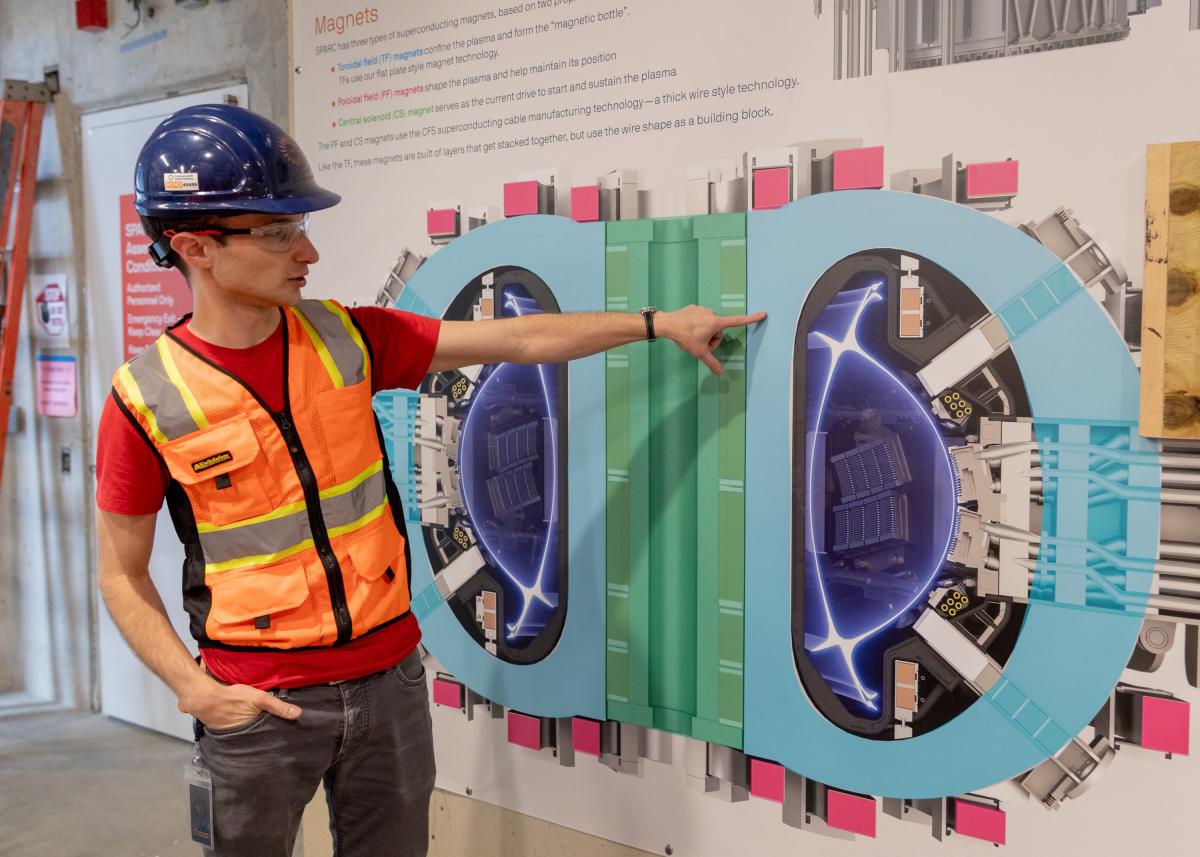
Second, CFS is making steady progress on Sparc, its demonstration reactor. Years ago, it had hoped to get the device up and running by 2025, and it is now targeting a launch later this year. Still, a large, first-of-a-kind project can avoid some delays, and CFS has managed to keep them from becoming excessive. The company hopes that by next year, Sparc will achieve scientific breakeven — when a fusion reaction produces more energy than was required to start it.
So far, only one experiment has achieved scientific breakeven, so reaching that milestone would help CFS show investors that it is making steady progress toward commercialization.
Lastly, CFS has started work on its commercial scale power plant, Arc. It has selected a site in Chesterfield County, Virginia, and has started receiving the necessary permits. CFS hopes to have Arc up and running in the early 2030s.
If CFS goes public in the coming years, it will still have several years of heavy expenditures ahead. From that perspective, hiring Kim may prove a wise move, considering he oversaw Moderna during its early years as a public company, when it was losing money until the COVID-19 pandemic delivered an unexpected windfall.
The current AI data center boom is a similar sort of black swan event, so it makes sense that CFS will want to strike before investor appetite wanes.
One fusion company, General Fusion, went public via a SPAC deal earlier this month, and another, TAE Technologies, will do so by merging with Trump Media and Technology Group. Tech companies today are buying electricity at seemingly any cost.
CFS knows this, having already sold half the output of its first power plant to Google. But IPO windows don’t last forever, and CFS won’t want to let this opportunity pass it by.
When you purchase through links in our articles, we may earn a small commission. This doesn’t affect our editorial independence.
