

While the Trump administration was trying to make a TikTok deal happen during a meeting with China last weekend, Beijing was busy adding its own bargaining chips to the table. Actual chips, in fact—semiconductors.
In the past week, China has unveiled a series of regulatory actions targeting American chipmakers. The most significant is an anti-dumping investigation into American legacy chips that power everything from cars and refrigerators to washing machines and data centers. Unlike cutting-edge GPUs, these chips rarely make headlines, but they are essential to powering everyday electronics. Crucially, this is also an area where Chinese firms have caught up. By alleging that American firms have been flooding the Chinese market with cheap legacy chips, Chinese regulators are opening the door to tariffs that would make American products less competitive.
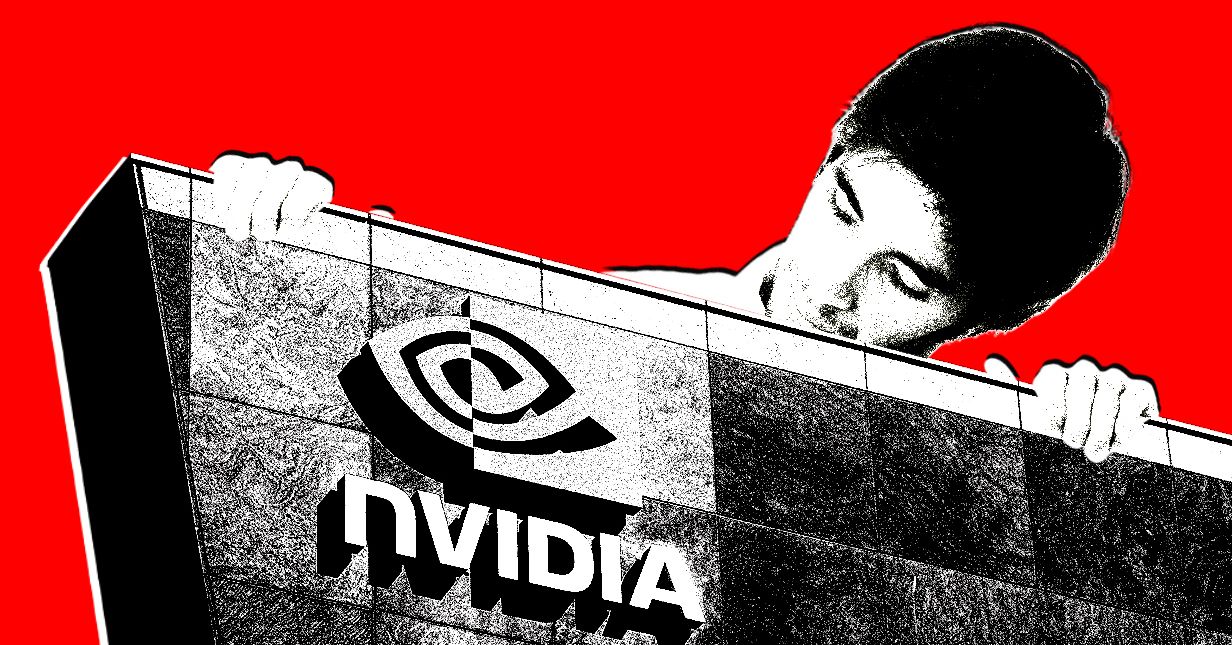
Then came antitrust action against Nvidia. China’s market regulator publicly announced preliminary findings that suggest the company violated commitments it made during its 2020 acquisition of the Israeli company Mellanox. Days later, the Financial Times reported that the Cyberspace Administration of China told ByteDance and Alibaba to stop buying Nvidia’s latest chips. And finally, Beijing also launched an anti-discrimination probe into US trade and industrial policy, accusing Washington of unfairly favoring its own chipmakers like Intel through CHIPS Act subsidies and tariffs.
For anyone following the last five years of the US-China tech war, all this feels familiar—but upside down. Previously, it was Washington that kept inventing new tools to choke off China’s access to advanced semiconductors: sweeping export controls, tariffs, investment reviews, and even personnel bans. Now, after years of playing defense, China is showing that it is prepared to use the same tool kit against its main geopolitical rival. At a minimum, threatening investigations of American chip companies could give Chinese representatives another piece of leverage to negotiate a better deal on TikTok and tariffs.
“The Chinese have always been very good students of the US. Now we see that they have the confidence and the sophistication to reply in kind,” says Dan Wang, author of Breakneck: China’s Quest to Engineer the Future and a research fellow at the Hoover Institution.
New Chips on the Table
The timing of these probes is hardly a mystery. The US is currently negotiating a deal to keep TikTok running in the US—and bring it partly under American control. Unlike Washington, which has been consumed with questions of how to best regulate the app, Beijing cares little about the fate of TikTok itself. What matters to the Chinese government is whether it can trade approval of a possible deal for concessions elsewhere, for example on tariffs or export controls.
Semiconductors, which are getting more politically important by the day, are a prime target. “Beijing is much less concerned about the fate of TikTok than about the ability of its semiconductor industry to obtain technologies required for manufacturing advanced semiconductors, particularly those critical for training large language models and continuing to allow innovation in the AI sector,” says Paul Triolo, a partner at the advisory firm DGA-Albright Stonebridge Group.
The countermeasures this week suggest that Beijing has identified a new point of leverage: China’s massive domestic market. The US was able to pull off export controls because companies in the US and allied nations still control the cutting-edge technologies required to make semiconductors in the first place: ASML’s lithography machines, Nvidia’s GPUs, and TSMC’s foundries. Beijing has no equivalent chokehold, except perhaps in rare-earth minerals. But what China does have is a vast consumer and manufacturing base. For example, China has the largest automotive market in the world, which requires billions of imported auto chips every year. By signaling its willingness to weaponize access to that market, it is borrowing a page from Trump’s playbook.
