

Close Menu
TechurzTechurz
    What's Hot

    NEA’s Tiffany Luck on AI IPOs, personal agents, and the ROI reckoning

    June 17, 2026

    World model maker Odyssey nabs $1.45B valuation backed by Amazon and other big names

    June 17, 2026

    Pramaana Labs raises $27M seed round from Khosla Ventures to bring formal verification to AI

    June 17, 2026
    X (Twitter) Pinterest YouTube LinkedIn WhatsApp
    Tech Pulse
    • NEA’s Tiffany Luck on AI IPOs, personal agents, and the ROI reckoning
    • World model maker Odyssey nabs $1.45B valuation backed by Amazon and other big names
    • Pramaana Labs raises $27M seed round from Khosla Ventures to bring formal verification to AI
    • Collecting robot training data is dirty, unglamorous work. Some AI labs are already paying XDOF to do it.
    • DeepL acquires Mixhalo for live-event audio streaming and translation
    X (Twitter) Pinterest YouTube LinkedIn WhatsApp
    TechurzTechurz
    • Home
    • Tech Pulse
    • Future Tech
    • AI Systems
    • Cyber Reality
    • Disruption Lab
    • Signals
    TechurzTechurz
    Home - News - Scientists say this bismuth-powered chip is 40% faster than Intel’s best – are silicon processors officially finished?
    News

    Scientists say this bismuth-powered chip is 40% faster than Intel’s best – are silicon processors officially finished?

    TechurzBy TechurzMay 11, 2025No Comments3 Mins Read
    Share Facebook Twitter Pinterest LinkedIn Tumblr Reddit Telegram Email
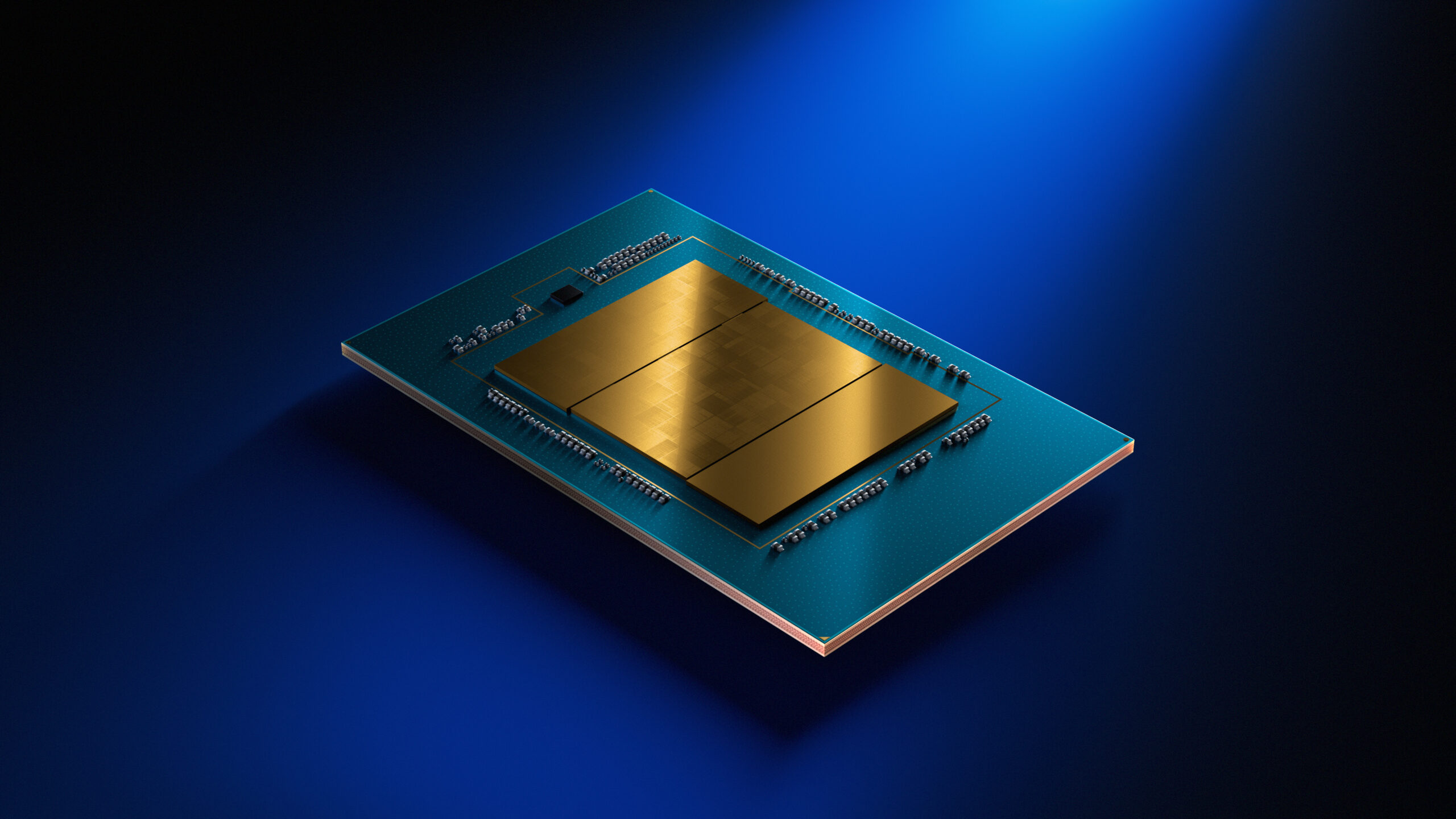
    Intel Xeon 6
    Share
    Facebook Twitter LinkedIn Pinterest Email


    • Peking University transistor could outperform Intel, TSMC, and Samsung’s top silicon chips
    • Full gate coverage boosts speed and cuts energy use in breakthrough Chinese transistor design
    • China may have just leapfrogged US chip tech with this silicon-free transistor innovation

    Chinese researchers at Peking University have announced what seems like a breakthrough in transistor design, which if commercialized, could dramatically shift the direction of microprocessor development.

    The team created a silicon-free transistor based on a two-dimensional material, bismuth oxyselenide.

    The innovation hinges on the gate-all-around (GAAFET) architecture, where the transistor’s gate wraps completely around the source. Traditional FinFET designs, which dominate current silicon-based processors, only allow partial gate coverage. This full-wrap structure enhances the contact area between the gate and the channel, improving performance by reducing energy leakage and enabling better current control.


    You may like

    Could this mark the end of silicon chips?

    Published in Nature Materials, the paper suggests that the new 2D GAAFET could rival or even surpass silicon transistors in both speed and energy efficiency.

    The researchers claim their 2D transistor achieves speeds 40% faster than Intel’s latest 3nm chips while using 10% less power, performance which would place it ahead of current processors from TSMC and Samsung.

    The partial gate coverage in traditional designs limits current control and increases energy loss. The new full-gate structure addresses these issues, resulting in high voltage gain and ultra-low power usage. The team has already constructed small logic units using the new design.

    “It is the fastest, most efficient transistor ever,” said Peking University. These claims are supported by tests conducted under identical conditions to those used for leading commercial chips.

    Sign up to the TechRadar Pro newsletter to get all the top news, opinion, features and guidance your business needs to succeed!

    “If chip innovations based on existing materials are considered a ‘shortcut,’ then our development of 2D material-based transistors is akin to ‘changing lanes,’” said Professor Peng Hailin, the project’s lead scientist.

    Unlike the vertical structures of FinFETs, the new design resembles interwoven bridges. This architectural shift may overcome miniaturization limits faced by silicon technology, especially as the industry pushes below the 3nm threshold. It could also benefit the fastest laptops that require such compact chips.

    The team developed two new bismuth-based materials: Bi₂O₂Se as the semiconductor and Bi₂SeO₅ as the gate dielectric.

    These materials feature low interface energy, reducing defects and electron scattering.

    “This allows electrons to flow with almost no resistance, like water through a smooth pipe,” Peng explained.

    The performance results are backed by density functional theory (DFT) calculations and validated through physical tests using a high-precision fabrication platform at PKU.

    The researchers claim the transistors can be manufactured using current semiconductor infrastructure, simplifying future integration.

    You might also like

    bismuthpowered chip faster finished Intels Officially processors Scientists silicon
    Share. Facebook Twitter Pinterest LinkedIn Tumblr Email
    Previous ArticleApple TV+ proves it’s the streamer for auteurs with Highest 2 Lowest
    Next Article Facebook users are being tricked into downloading malware via fake crypto sites and celebrity-endorsed promotions
    Techurz
    • Website

    Related Posts

    Opinion

    Startup Battlefield 200 applications officially close in 3 days

    June 5, 2026
    Opinion

    Is Silicon Valley ready to put robots in people’s homes? Hello Robot is.

    June 4, 2026
    Opinion

    After Nvidia’s $20B not-acqui-hire, AI chip startup Groq reportedly raising $650M

    May 29, 2026
    Add A Comment
    Latest Tech Pulse

    College social app Fizz expands into grocery delivery

    September 3, 20252,289

    SolarSquare in talks to raise up to $60M as India’s rooftop solar market draws major VC interest

    May 23, 202622

    Future of Digital Privacy and Security: 7 Truths Nobody Tells You

    May 25, 202619
    Stay In Touch
    • YouTube
    • WhatsApp
    • Twitter
    • Pinterest
    • LinkedIn

    Techurz helps readers stay ahead of digital change with clear, practical, future focused technology intelligence written today,searched tomorrow.

    X (Twitter) Pinterest YouTube LinkedIn WhatsApp
    Company
    • About Us
    • Contact Us
    • Our Authors / Editorial Team
    • Write For Us
    • Advertise
    Policy
    • Editorial Policy
    • Privacy Policy
    • Terms and Conditions
    • Affiliate Disclosure
    • Cookie Policy
    • Disclaimer
    • DMCA
    Explore
    • AI Systems
    • Cyber Reality
    • Future Tech
    • Disruption Lab
    • Signals
    • Tech Pulse
    • Sitemap

    Join the Techurz Brief

    The future does not arrive suddenly.
    Stay ahead with fast, sharp tech signals.

    Type above and press Enter to search. Press Esc to cancel.