


If searching Google feels slower, messier, and less reliable than it used to, that’s because it is. Google’s results are now dominated by AI-generated text, aggressive ads, and SEO-optimized clutter, burying the trustworthy information you’re searching for.
The AI Overview Often Misses the Mark
Google’s AI-generated overviews, meant to provide quick answers at the top of search results, often fall short of being genuinely helpful. These summaries tend to be overly simplistic, lack nuance, and pull from questionable sources that aren’t always reliable.
For example, when I searched “How to clean a cast iron skillet without ruining it,” I expected to see specific guidance grounded in cooking best practices. Instead, the AI Overview spits out a generic list: avoid harsh scrubbing, rinse with soapy water, use a salt scrub, and even clean rust with a potato and baking soda.
Not only was it contradictory (first warning against soap, then recommending it), but it also pulled most of its information from Reddit threads, Quora posts, and YouTube videos. None of whom are recognized authorities on cookware care.
This kind of AI summary gives off the illusion of authority while offering inconsistent or oversimplified advice. Instead of highlighting expert-backed techniques or linking to reputable culinary sources, it cobbles together content with no clear vetting process. The result? A surface-level answer that may do more harm than good, especially for people seeking trustworthy guidance.
Related
Google Is Overhauling Overviews With AI Mode, and Search Will Never Be the Same
Google Search now chats back with AI Mode.
Search Results Prioritize Advertisers Over Users
The experience of using Google today often feels less like a search engine and more like navigating a billboard gallery, prompting many users to seek out alternative search engines that can provide more relevant results. Sponsored links dominate the top of nearly every results page and are designed to look like real answers. There’s little distinction between paid and organic results, which makes it harder to quickly find what you’re looking for.
Below the ads, Google fills the space with features like “People also ask,” AI-generated answers, and product carousels. These elements may look helpful, but they’re built to keep you on Google’s platform, increasing ad exposure and tracking behavior along the way.
Real, unpaid content—what most people are trying to reach—is pushed far down. On a mobile screen, it often takes several scrolls to even see the first organic result. Even then, the page you land on is often packed with affiliate links, prioritizing sales over substance.
What used to feel like a tool for exploring the web now feels like a funnel toward monetized content. Google’s business depends on ads, and the layout of search results increasingly reflects that priority, often at the cost of your time, trust, and ability to find reliable information.
The Rise of Clickbait and Misleading Headlines
As Google’s search algorithm increasingly favors content designed to drive clicks over genuine value, clickbait headlines have taken over. These sensationalized titles often promise more than they can deliver, leading you to results that are irrelevant, shallow, or outright misleading.
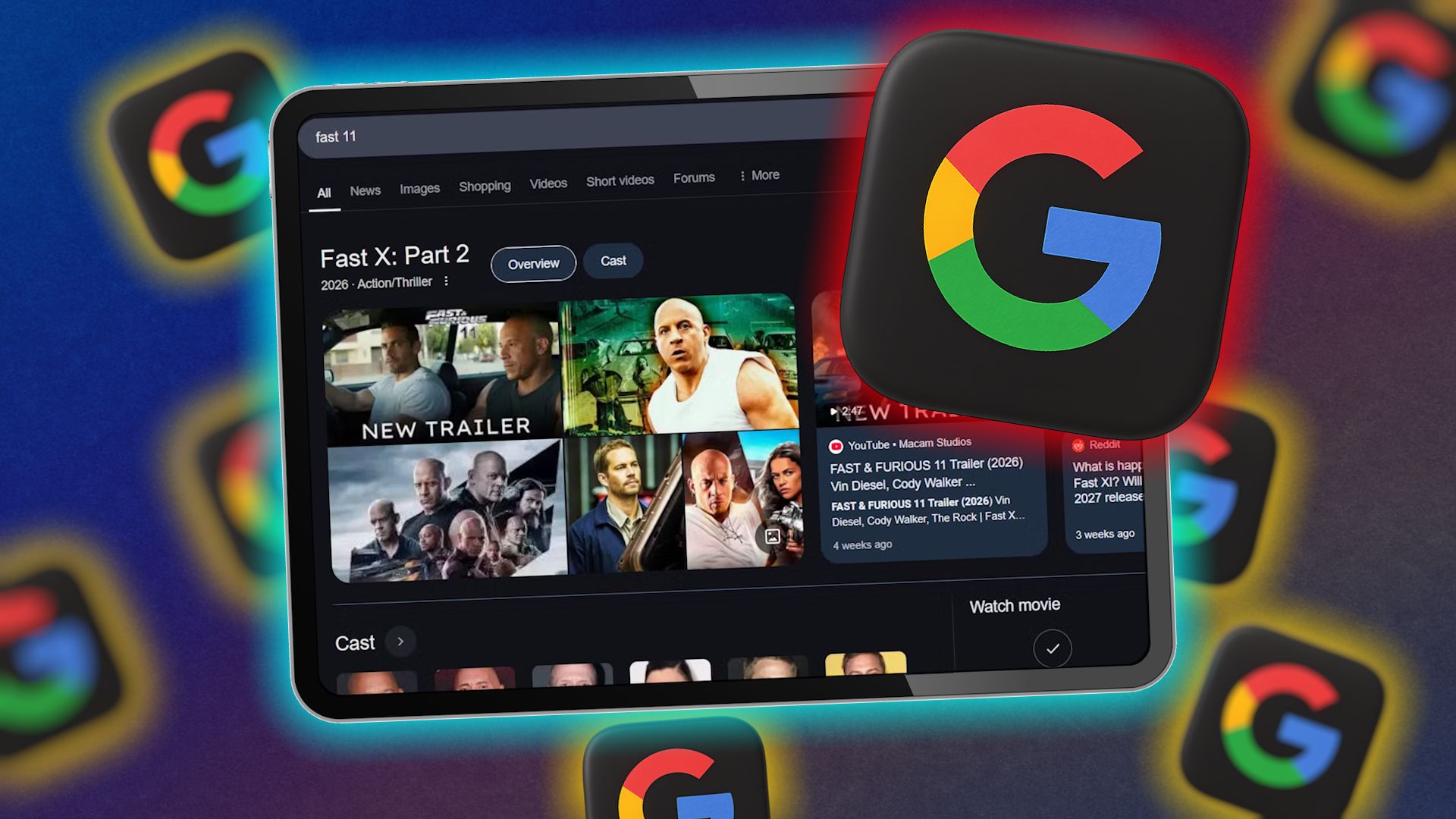
Recently, I searched “Fast 11” hoping to find reliable information on the upcoming movie. Instead, I was bombarded with clickbait. The top results were fake, AI-generated fan trailers with titles like “NEW TRAILER,” featuring Vin Diesel and Cody Walker. Just beneath the video thumbnails were attention-grabbing headlines like “Is It Doomed?”—despite the fact that filming hasn’t even started. It was a wall of misinformation and AI-generated junk, with nothing credible or helpful in sight.
Google’s results now focus on SEO tricks like catchy phrases, keyword-heavy titles, and eye-grabbing thumbnails over actual substance. It turns a simple question into a frustrating scavenger hunt for actual answers.
Adding “Reddit” Has Become Increasingly Essential
At some point, many users began adding the word “Reddit” to their searches. It’s not a coincidence; it’s a form of defense. If you’re looking for product recommendations, troubleshooting tips, or advice rooted in real experience, adding “Reddit” helps you bypass most of the junk.
Why? Because deep in Reddit threads and old forums are real conversations among human beings. You get actual opinions with human emotion and analysis, not cold affiliate links or SEO-gamed content. You see people explaining what worked, what didn’t, and why. This is the kind of context that AI-generated summaries and generic blogs are incapable of replicating.
This isn’t a fringe technique anymore; it’s become widespread behavior. It reveals a simple truth: people don’t trust the top of Google’s results page—they trust communities of real users. We are now pressured to use tricks to navigate Google more effectively. It’s a serious indicator of what Google Search has become.
At first glance, the short summaries beneath each clickable link in a Google Search—known as meta descriptions—seem helpful. They’re designed to give a quick preview of what’s on a webpage, letting you decide whether to click it or not. In practice, however, they’re often confusing, contradictory, or outright misleading.
These snippets aren’t always written by the website’s author. In many cases, Google auto-generates them based on page content, sometimes pulling sentences out of context or misrepresenting the page’s intent. That becomes a problem when you treat these summaries as trustworthy answers.
Take my example of searching “Fastest land animal.” Nearly every result points to the cheetah, but the meta descriptions vary wildly. One link claims cheetahs reach 60 mph, another insists on 75 mph—a number that’s never been recorded.
Even more absurdly, a Reddit post summary jokes that a cow dropped from a helicopter at 3,500 feet is technically the fastest land animal. While obviously satirical, this line appears next to serious sources, blurring the line between fact and fiction.
Google’s algorithm isn’t designed to evaluate accuracy; it only evaluates relevance and engagement. As AI increasingly drives these summaries, users must recognize that what appears beneath each link isn’t always vetted truth. The descriptions are oftentimes automated guesses, stripped of nuance and context.
SEO Has Been Turned Into a Weapon
Originally, search engine optimization (SEO) was intended to help search engines understand and rank useful content. That principle is long gone. In 2025, SEO has become a game of manipulation and favors companies with money, software, and influence.
Instead of highlighting the most insightful or informative pages, Google now favors those that best follow the “rules.” Keyword stuffing, subheadings filled with search phrases, bloated introductions designed to stretch engagement metrics, and FAQ sections packed with robotic phrasing fill the top of Google’s results.
These pages are often created by AI tools, refined by SEO experts, and published on a grand scale by digital marketing firms. The goal is not to inform, it’s to dominate search results and convert clicks into dollars. Personal blogs, niche experts, and independent journalists have seen their traffic collapse, not because their content isn’t useful, but because they lack the technical resources to compete. Valuable human insight is now buried beneath layers of strategic noise.
Google created this battlefield, then handed the bigger weapons to those willing to exploit it most aggressively. In this day and age, it’s not quality that wins. It’s whoever can game the system most effectively.
Google Search Is Trying to Be Everything—and Failing at the Essentials
In its attempt to be more than a search engine, Google has loaded its results pages with clutter. You’re no longer simply presented with a clean list of links. Instead, you face a sprawling interface filled with shopping widgets, top stories, answer boxes, “Perspectives” from influencers, and even YouTube highlights.
The original purpose of Search was simplicity: type in a question, get relevant answers. Now, Google attempts to anticipate your needs with overlays and predictive features that often miss the mark.
I searched “Italy vacation ideas,” thinking I’d get hotel recommendations, tips on what to pack, and a compilation of must-see locations. Instead, I was bombarded with vacation packages and rigid itineraries being sold by major travel companies. The kind of helpful, firsthand advice I was actually looking for was buried pages deep.
In trying to become an all-in-one platform for information, shopping, and entertainment, Google has diluted the precise and trustworthy output it once had.
Google Search isn’t dead, but it no longer feels like the reliable tool it once was. Instead of effortlessly finding answers, you are now forced to dodge ads, sift through low-quality content, and rephrase queries to get better results. The trajectory of this shift is unknown as Google focuses on its new AI mode, which will replace aspects of Google Search.
In 2025, Search feels more like a chore, shaped by advertisers and content mills rather than genuine usefulness. The internet hasn’t run out of valuable information; Google has just made it harder to find.
