

Close Menu
TechurzTechurz
    What's Hot

    Fusion power darling Commonwealth Fusion Systems raises another $1B

    July 30, 2026

    When will fusion power startup Commonwealth Fusion Systems go public?

    July 30, 2026

    Synthetic-user startup Simile raises $200M at $2B valuation 5 months after $100M Series A

    July 30, 2026
    X (Twitter) Pinterest YouTube LinkedIn WhatsApp
    Tech Pulse
    • Fusion power darling Commonwealth Fusion Systems raises another $1B
    • When will fusion power startup Commonwealth Fusion Systems go public?
    • Synthetic-user startup Simile raises $200M at $2B valuation 5 months after $100M Series A
    • Okta buys AI security startup Permiso; source says for about $200M
    • Inforcer raises $50M to help prepare smaller businesses for a new world of AI and security risks
    X (Twitter) Pinterest YouTube LinkedIn WhatsApp
    TechurzTechurz
    • Home
    • Tech Pulse
    • Future Tech
    • AI Systems
    • Cyber Reality
    • Disruption Lab
    • Signals
    TechurzTechurz
    Home - News - This smartwatch trick could steal government secrets from ultra-secure computers without touching the internet or raising any alarms
    News

    This smartwatch trick could steal government secrets from ultra-secure computers without touching the internet or raising any alarms

    TechurzBy TechurzJune 16, 2025Updated:May 11, 2026No Comments3 Mins Read
    Share Facebook Twitter Pinterest LinkedIn Tumblr Reddit Telegram Email
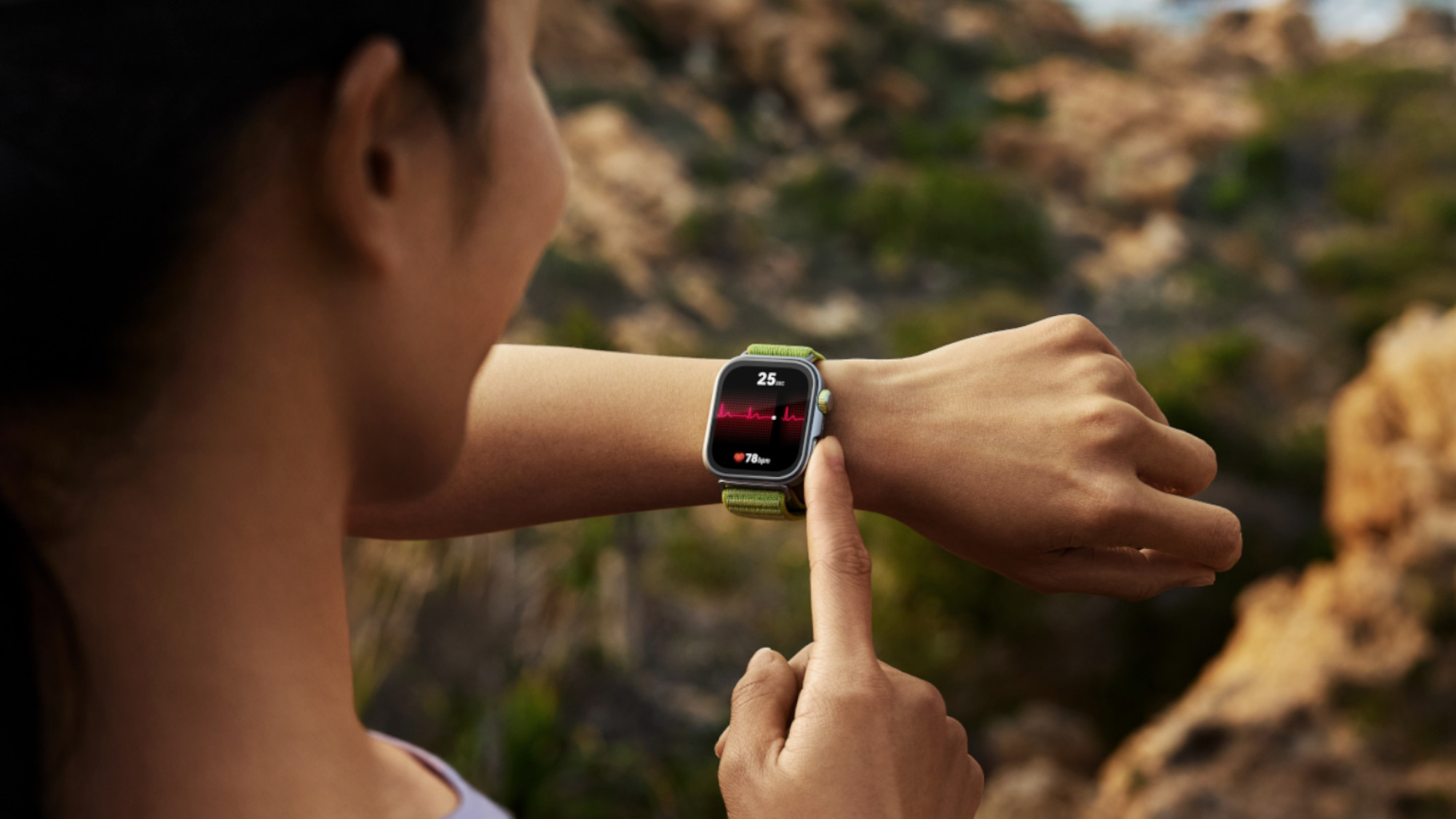
    Image of a woman pressing a button on the side of the Huawei Watch Fit Pro 4 smartwatch
    Share
    Facebook Twitter LinkedIn Pinterest Email


    • Smartwatches may soon be the newest tool for breaching even the most secure computer
    • Ultrasonic signals are invisible to us but may carry secrets out of air-gapped machines
    • SmartAttack depends on rare conditions, but its possibility proves no system is ever completely safe

    A new research paper proposes an unusual method of data exfiltration from air-gapped systems using smartwatches.

    The concept, created by researchers from Ben-Gurion University, sounds like something out of a spy thriller, but the details reveal just how technically complex and narrowly feasible such an attack would be.

    The method, dubbed β€œSmartAttack,” relies on exploiting the microphone of a compromised smartwatch to receive ultrasonic signals from an infected air-gapped computer.


    You may like

    The role of malware and wearable tech

    These ultrasonic transmissions operate between 18 and 22 kHz, just above the range of human hearing, and can carry data such as keystrokes or biometric information at up to 50 bits per second over distances of at least six meters.

    For any part of the attack to work, multiple difficult steps must already be accomplished.

    First, malware has to be implanted on the air-gapped system, which itself is a challenge. As the authors point out, such malware might get there through β€œsupply chain attacks, insider threats, or infected removable media.”

    Once installed, the malware quietly harvests sensitive data and encodes it into ultrasonic audio signals. However, transmitting those signals is only half of the equation.

    Sign up to the TechRadar Pro newsletter to get all the top news, opinion, features and guidance your business needs to succeed!

    On the receiving end, a smartwatch, also infected with malware, must be within the correct range and orientation to pick up the ultrasonic transmissions.

    Paper author Mordechai Guri, PhD described smartwatches as β€œan underexplored yet effective attack vector,” noting the devices are also subject to unpredictable movement because they’re worn on the wrist, reducing the reliability of reception.

    The smartwatch would then use its connectivity features, like Wi-Fi, Bluetooth, or even email, to relay the data back to the attacker.

    This sequence may be possible in tightly controlled experiments, but real-world implementation would be significantly harder.

    Although the paper is hypothetical, it does prompt real questions about whether current cybersecurity tools, such as the best antivirus or endpoint protection software, are equipped to detect or defend against such indirect and unconventional threats.

    For organizations using air-gapped networks to safeguard sensitive information, traditional protections may not be enough.

    Likewise, while the best identity theft protection tools are effective against known threat vectors, this kind of covert channel exploits hardware and environments in ways that existing solutions might not anticipate.

    The paper recommends more advanced defense, including ultrasonic jamming, real-time signal monitoring, and even ultrasonic firewalls.

    However, the practicality of such measures, especially in resource-constrained environments, remains uncertain.

    That said, as with many academic demonstrations, the real-world threat is more about potential than probability.

    Via TomsHardware

    You might also like

    alarms Computers Government Internet raising Secrets Smartwatch steal Touching Trick ultrasecure
    Share. Facebook Twitter Pinterest LinkedIn Tumblr Email
    Previous ArticleHow Did ChatGPT Get ‘Absolutely Wrecked’ at Chess by an 1970s-Era Atari 2600?
    Next Article How to Remove Someone from Best Friends on Snapchat
    Techurz
    • Website

    Related Posts

    Opinion

    As AI content floods the internet, Pangram raises $9M to detect it

    July 29, 2026
    Opinion

    Why this CEO thinks video games make better training data than the internet

    July 8, 2026
    Opinion

    Corgi, the buzzy Y Combinator-backed insurance tech startup, says it didn’t steal an open source product

    June 26, 2026
    Add A Comment
    Latest Tech Pulse

    College social app Fizz expands into grocery delivery

    September 3, 20252,290

    12 Father’s Day E-Card Sites That Are Actually Good

    June 4, 202523

    SolarSquare in talks to raise up to $60M as India’s rooftop solar market draws major VC interest

    May 23, 202622
    Stay In Touch
    • YouTube
    • WhatsApp
    • Twitter
    • Pinterest
    • LinkedIn

    Techurz helps readers stay ahead of digital change with clear, practical, future focused technology intelligence written today,searched tomorrow.

    X (Twitter) Pinterest YouTube LinkedIn WhatsApp
    Company
    • About Us
    • Contact Us
    • Our Authors / Editorial Team
    • Write For Us
    • Advertise
    Policy
    • Editorial Policy
    • Privacy Policy
    • Terms and Conditions
    • Affiliate Disclosure
    • Cookie Policy
    • Disclaimer
    • DMCA
    Explore
    • AI Systems
    • Cyber Reality
    • Future Tech
    • Disruption Lab
    • Signals
    • Tech Pulse
    • Sitemap

    Join the Techurz Brief

    The future does not arrive suddenly.
    Stay ahead with fast, sharp tech signals.

    Type above and press Enter to search. Press Esc to cancel.