


Summary
- Planetary alignments occur when multiple planets from our solar system appear together in the night sky.
- There are four major categories of planetary alignments: mini (3 planets), small (4), large (5-6), and great (all planets except Earth).
- The next major planetary alignment is set for August 2025.
When you gaze at the night sky, you’re likely to catch a glimpse of a planet orbiting the Sun. However, when several of these celestial neighbors decide to join in, the result is something called a planetary alignment. Let’s delve into this phenomenon and how you can watch when it happens next.
Why Do Planets Parade in a Line?
NASA/JPL-Caltech
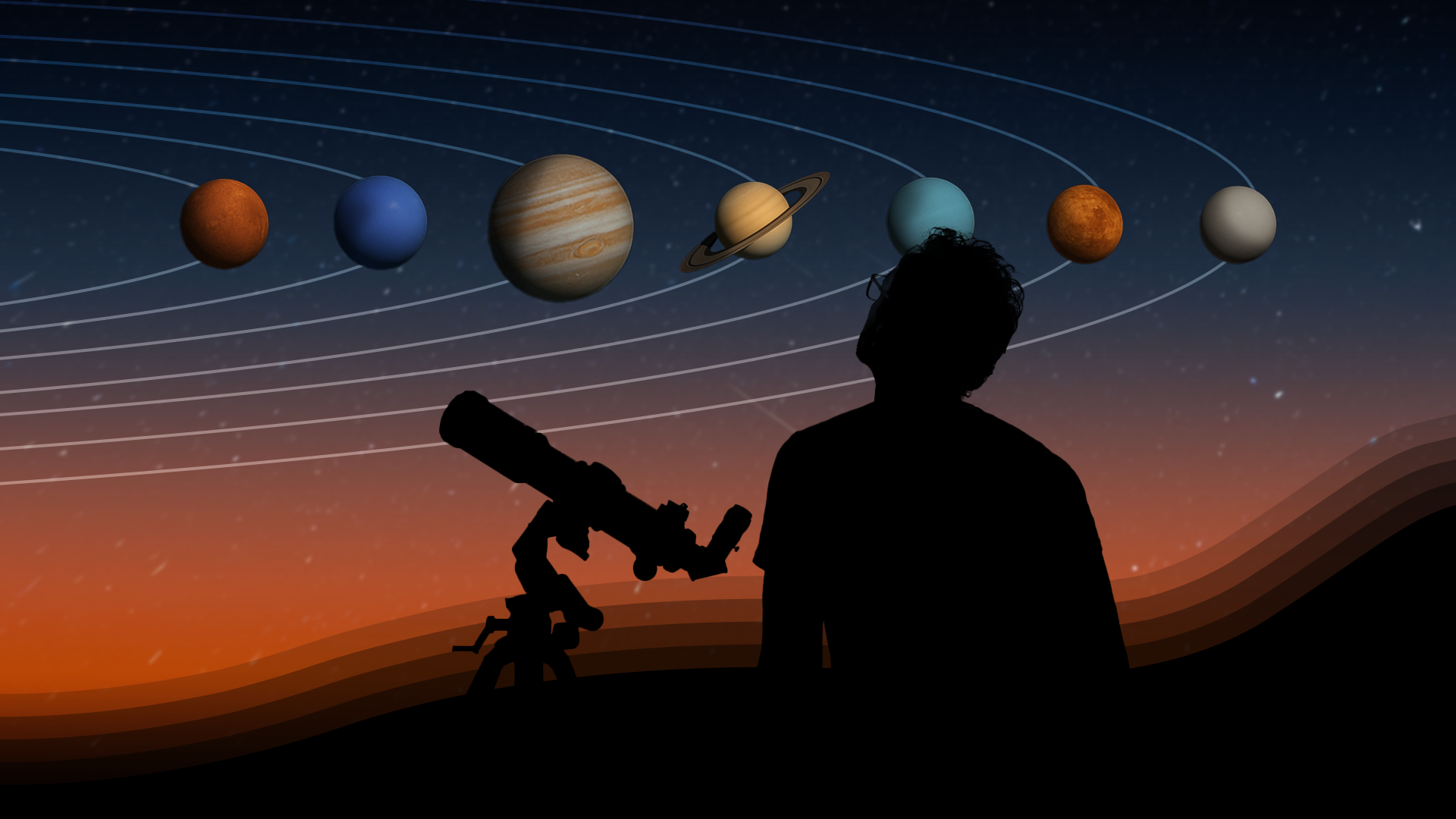
A planetary alignment or “planet parade” is an astronomical phenomenon in which multiple planets from our solar system appear together in the night sky at the same time. This isn’t a particularly rare occurrence, but the participation of five or more planets in an alignment is less common.
An alignment happens because planets in our solar system orbit the sun at different speeds and distances, but in roughly the same plane, known as the ecliptic plane. While most of the time, the planets are too far apart to be seen together in our sky, every so often, their paths appear to cross and are in full view from Earth, leading to an alignment.
Although the planets appear to form a line or arc in a “planetary parade,” it’s not a true alignment in space. It’s an apparent alignment from our perspective on Earth because of the planets’ orbital positions.
An unrelated phenomenon in which planets gather on one side of the sun simultaneously is sometimes also referred to as a planetary alignment. However, this phenomenon is relatively rare and can’t always be observed from Earth.
Among the general stargazing public, a planetary alignment is more commonly associated with the first definition.
Notably, “planet parades” aren’t single-day events. Instead, they can last for days or weeks, depending on the planets involved. This is because planets don’t move very fast, at least from our perspective.
Related
These Are My Top Tips for Seeing More in the Night Sky
The best stargazing only requires a little preparation.
What Are Different Types of Planet Alignments?
NASA/Night Sky Network
Based on the number of planets in alignment, there are four different categorizations for “planet parades”: mini, small, large, and great. A grouping of three planets is called a mini alignment, whereas four planets come together in a small alignment. Similarly, it’s a large alignment when five or six planets appear together in the night sky. A great alignment, also called full alignment, involves the coming together of all planets, except, of course, Earth.
When Is the Next Planetary Alignment?
Planetary alignments may not be rare, but some types are more common than others. The rarity of an alignment depends on how many planets are involved in it. For example, mini planetary alignments are pretty common and can happen multiple times a year. Small alignments are not as common, but you can still spot one every few years. However, it’s far more rare for large and great planetary alignments to occur.
Large alignments only happen once in a few decades, whereas great alignments are more of a once-in-a-century phenomenon.
The most recent planetary alignment was in January-February 2025. Six planets were visible in the night sky for a large part of both months, some easier to spot than others. On February 28, Mercury joined the fun, making it a great alignment.
The next major planetary alignment is set for August 2025, and you’ll be able to spot up to six planets (Mercury, Jupiter, Venus, Uranus, Neptune, and Saturn) together before sunrise on August 10. However, you can only observe four of these (Mercury, Jupiter, Venus, and Saturn) with the naked eye. You’ll also get a better opportunity to view the four in the latter part of the month.
One major planetary alignment that stargazers are waiting for will happen in 2040. In this alignment, Mercury, Venus, Mars, Jupiter, and Saturn will appear next to a thin crescent moon, creating a celestial display that will be visible to the naked eye. The other two planets will also be present in the night sky, but will only be visible with optical aids.
Related
11 Confusing Space Terms Explained
Understand the nuts and bolts of astronomy.
How to Watch a “Planet Parade”
NASA/Kim Shiflett
Planetary alignments are exciting celestial events to watch. With the right preparation and planning, you can make the most of these astronomical occurrences. Before you can get to the actual viewing, you’ll need the confirmed date for a future alignment and the best time to view it. Depending on which planets are involved in an alignment, the best time to view them can differ. While some planets are best viewed after sunset, the optimal viewing time for others is before sunrise. So you’ll have to consult reputed astronomy sources for details on both before an alignment. NASA typically publishes specific details about future planetary alignments and other celetial events on its Watch the Skies blog.
Once you have the date and time, it’s best to check the weather forecast to avoid any last-minute surprises. If you can get to a location away from city lights, that would be ideal. However, if that’s not possible, just look for a clear and unobstructed view of the sky in your backyard or a nearby park. Remember, if viewing the planets from a dark spot, give your eyes time to adjust to the dark.
Although some planets, such as Venus, Mars, and Jupiter, can be easily seen with the naked eye, you need a good pair of binoculars or a telescope to enjoy the others comfortably.
Related
What Can You See in Space With Binoculars?
It’s probably more than you think.
It may also take some effort to pinpoint the different planets in the sky, depending on your stargazing experience. Planets are generally steady points of light and appear close to the path taken by the sun across the sky.
You can take the help of sky map apps for locating and identifying planets. These apps use your phone’s GPS location and compass reading to point out what’s in the sky in real time. Some of the popular stargazing apps include Stellarium, Star Chart, Star Walk 2, and SkyView.
Related
The 8 Best Stargazing Apps
From beginner-friendly sky maps to pro-level planning tools, these stargazing apps help you explore the night sky with accuracy, ease, and flair.
Planetary alignments may not impact the celestial mechanics or our solar system’s functions, but they are certainly a visual treat for stargazers. There is something special about viewing our planetary neighbors with your own eyes.
