

Close Menu
TechurzTechurz
    What's Hot

    Anthropic’s latest feud with the Trump admin may actually help it, sales data suggests

    June 16, 2026

    This startup’s super metals could soon be in military drones, luxury watches, and chef’s knives

    June 16, 2026

    Probably raises $9M to build a more reliable kind of AI

    June 16, 2026
    X (Twitter) Pinterest YouTube LinkedIn WhatsApp
    Tech Pulse
    • Anthropic’s latest feud with the Trump admin may actually help it, sales data suggests
    • This startup’s super metals could soon be in military drones, luxury watches, and chef’s knives
    • Probably raises $9M to build a more reliable kind of AI
    • Payments startup Flutterwave hits $3.2B valuation, backed by Ripple
    • Malaysia’s AI agent-powered messaging app Respond.io raises $62.5M, eyes acquisitions
    X (Twitter) Pinterest YouTube LinkedIn WhatsApp
    TechurzTechurz
    • Home
    • Tech Pulse
    • Future Tech
    • AI Systems
    • Cyber Reality
    • Disruption Lab
    • Signals
    TechurzTechurz
    Home - AI - What you may have missed about GPT-5
    AI

    What you may have missed about GPT-5

    TechurzBy TechurzAugust 12, 2025Updated:May 10, 2026No Comments3 Mins Read
    Share Facebook Twitter Pinterest LinkedIn Tumblr Reddit Telegram Email
    What you may have missed about GPT-5
    Share
    Facebook Twitter LinkedIn Pinterest Email

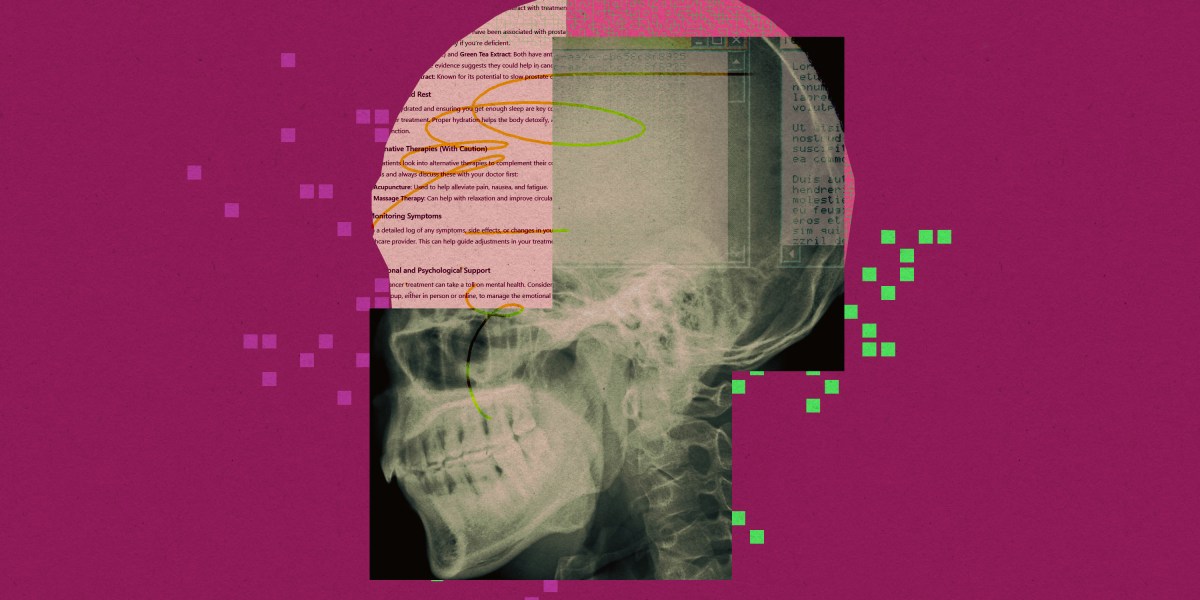
    With the launch of GPT-5, OpenAI has begun explicitly telling people to use its models for health advice. At the launch event, Altman welcomed on stage Felipe Millon, an OpenAI employee, and his wife, Carolina Millon, who had recently been diagnosed with multiple forms of cancer. Carolina spoke about asking ChatGPT for help with her diagnoses, saying that she had uploaded copies of her biopsy results to ChatGPT to translate medical jargon and asked the AI for help making decisions about things like whether or not to pursue radiation. The trio called it an empowering example of shrinking the knowledge gap between doctors and patients.

    With this change in approach, OpenAI is wading into dangerous waters. 

    For one, it’s using evidence that doctors can benefit from AI as a clinical tool, as in the Kenya study, to suggest that people without any medical background should ask the AI model for advice about their own health. The problem is that lots of people might ask for this advice without ever running it by a doctor (and are less likely to do so now that the chatbot rarely prompts them to).

    Indeed, two days before the launch of GPT-5, the Annals of Internal Medicine published a paper about a man who stopped eating salt and began ingesting dangerous amounts of bromide following a conversation with ChatGPT. He developed bromide poisoning—which largely disappeared in the US after the Food and Drug Administration began curbing the use of bromide in over-the-counter medications in the 1970s—and then nearly died, spending weeks in the hospital. 

    So what’s the point of all this? Essentially, it’s about accountability. When AI companies move from promising general intelligence to offering humanlike helpfulness in a specific field like health care, it raises a second, yet unanswered question about what will happen when mistakes are made. As things stand, there’s little indication tech companies will be made liable for the harm caused.

    “When doctors give you harmful medical advice due to error or prejudicial bias, you can sue them for malpractice and get recompense,” says Damien Williams, an assistant professor of data science and philosophy at the University of North Carolina Charlotte. 

    “When ChatGPT gives you harmful medical advice because it’s been trained on prejudicial data, or because ‘hallucinations’ are inherent in the operations of the system, what’s your recourse?”

    This story originally appeared in The Algorithm, our weekly newsletter on AI. To get stories like this in your inbox first, sign up here.

    GPT5 Missed
    Share. Facebook Twitter Pinterest LinkedIn Tumblr Email
    Previous ArticleiOS 26 reveals a new real-time translation gesture for AirPods 4 and Pro 2, and it could make your French phrase book a thing of the past
    Next Article Mel Robbins’s secrets to helping your kids achieve ‘phone-life balance’
    Techurz
    • Website

    Related Posts

    AI Systems

    The Future of AI Systems: 7 Architectural Shifts Driving the AI Revolution

    June 13, 2026
    Cyber Reality

    GPT-5 Agent That Finds and Fixes Code Flaws Automatically

    October 31, 2025
    AI

    How we feel about AI friends, OpenAI’s money, and vibe coding

    September 13, 2025
    Add A Comment
    Latest Tech Pulse

    College social app Fizz expands into grocery delivery

    September 3, 20252,289

    SolarSquare in talks to raise up to $60M as India’s rooftop solar market draws major VC interest

    May 23, 202622

    Future of Digital Privacy and Security: 7 Truths Nobody Tells You

    May 25, 202619
    Stay In Touch
    • YouTube
    • WhatsApp
    • Twitter
    • Pinterest
    • LinkedIn

    Techurz helps readers stay ahead of digital change with clear, practical, future focused technology intelligence written today,searched tomorrow.

    X (Twitter) Pinterest YouTube LinkedIn WhatsApp
    Company
    • About Us
    • Contact Us
    • Our Authors / Editorial Team
    • Write For Us
    • Advertise
    Policy
    • Editorial Policy
    • Privacy Policy
    • Terms and Conditions
    • Affiliate Disclosure
    • Cookie Policy
    • Disclaimer
    • DMCA
    Explore
    • AI Systems
    • Cyber Reality
    • Future Tech
    • Disruption Lab
    • Signals
    • Tech Pulse
    • Sitemap

    Join the Techurz Brief

    The future does not arrive suddenly.
    Stay ahead with fast, sharp tech signals.

    Type above and press Enter to search. Press Esc to cancel.