

Close Menu
TechurzTechurz
    What's Hot

    Arena, the AI leaderboard everyone uses, is now a $100M business

    June 29, 2026

    Omen AI’s plan to optimize data centers is all wet

    June 29, 2026

    Asian AI startups launch Mythos-like models as Anthropic’s export ban drags on

    June 27, 2026
    X (Twitter) Pinterest YouTube LinkedIn WhatsApp
    Tech Pulse
    • Arena, the AI leaderboard everyone uses, is now a $100M business
    • Omen AI’s plan to optimize data centers is all wet
    • Asian AI startups launch Mythos-like models as Anthropic’s export ban drags on
    • Corgi, the buzzy Y Combinator-backed insurance tech startup, says it didn’t steal an open source product
    • OpenAI poaches Uber India chief to lead its biggest market outside the US
    X (Twitter) Pinterest YouTube LinkedIn WhatsApp
    TechurzTechurz
    • Home
    • Tech Pulse
    • Future Tech
    • AI Systems
    • Cyber Reality
    • Disruption Lab
    • Signals
    TechurzTechurz
    Home - AI - Why climate researchers are taking the temperature of mountain snow
    AI

    Why climate researchers are taking the temperature of mountain snow

    TechurzBy TechurzMay 14, 2025Updated:May 10, 2026No Comments3 Mins Read
    Share Facebook Twitter Pinterest LinkedIn Tumblr Reddit Telegram Email
    Why climate researchers are taking the temperature of mountain snow
    Share
    Facebook Twitter LinkedIn Pinterest Email

    The pair of climate researchers from the Desert Research Institute (DRI) in Reno, Nevada, skied down to this research plot in the middle of the resort to test out a new way to take the temperature of the Sierra Nevada snowpack. They were equipped with an experimental infrared device that can take readings as it’s lowered down a hole in the snow to the ground.

    The Sierra’s frozen reservoir provides about a third of California’s water and most of what comes out of the faucets, shower heads, and sprinklers in the towns and cities of northwestern Nevada. As it melts through the spring and summer, dam operators, water agencies, and communities have to manage the flow of billions of gallons of runoff, storing up enough to get through the inevitable dry summer months without allowing reservoirs and canals to flood.

    The need for better snowpack temperature data has become increasingly critical for predicting when the water will flow down the mountains, as climate change fuels hotter weather, melts snow faster, and drives rapid swings between very wet and very dry periods. 

    In the past, it has been arduous work to gather such snowpack observations. Now, a new generation of tools, techniques, and models promises to ease that process, improve water forecasts, and help California and other states safely manage one of their largest sources of water in the face of increasingly severe droughts and flooding.

    Observers, however, fear that any such advances could be undercut by the Trump administration’s cutbacks across federal agencies, including the one that oversees federal snowpack monitoring and survey work. That could jeopardize ongoing efforts to produce the water data and forecasts on which Western communities rely.

    “If we don’t have those measurements, it’s like driving your car around without a fuel gauge,” says Larry O’Neill, Oregon’s state climatologist. “We won’t know how much water is up in the mountains, and whether there’s enough to last through the summer.”

    The birth of snow surveys

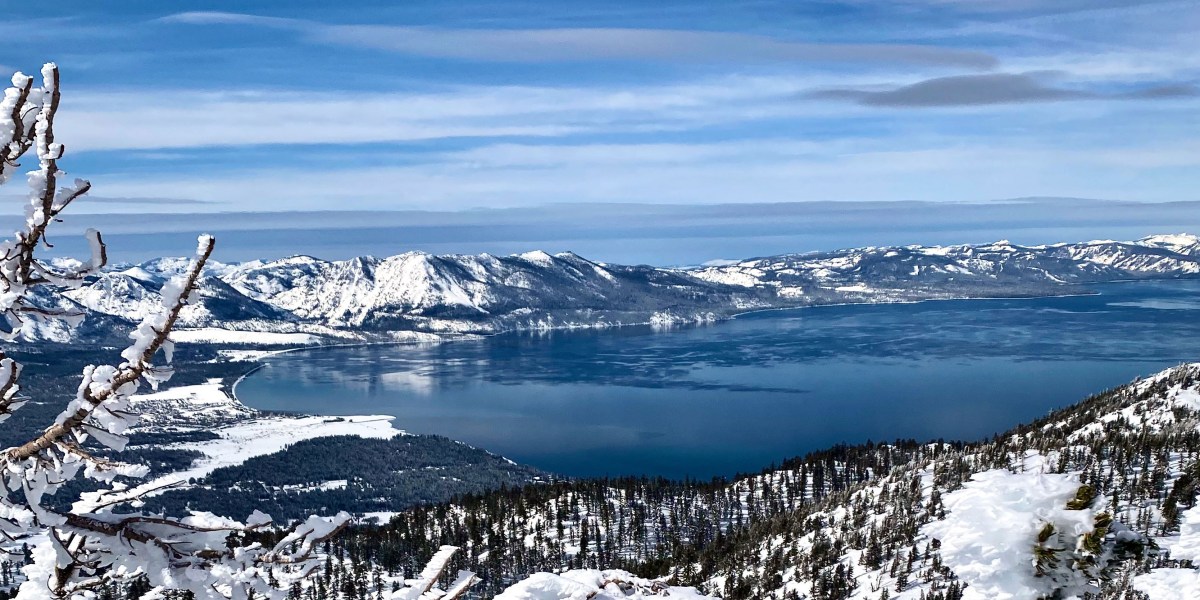
    The snow survey program in the US was born near Lake Tahoe, the largest alpine lake in North America, around the turn of the 20th century. 

    Without any reliable way of knowing how much water would flow down the mountain each spring, lakefront home and business owners, fearing floods, implored dam operators to release water early in the spring. Downstream communities and farmers pushed back, however, demanding that the dam was used to hold onto as much water as possible to avoid shortages later in the year. 

    In 1908, James Church, a classics professor at the University of Nevada, Reno, whose passion for hiking around the mountains sparked an interest in the science of snow, invented a device that helped resolve the so-called Lake Tahoe Water Wars: the Mt. Rose snow sampler, named after the peak of a Sierra spur that juts into Nevada.

    climate mountain Researchers snow temperature
    Share. Facebook Twitter Pinterest LinkedIn Tumblr Email
    Previous ArticleAirbnb’s new app has all of your vacation extras in one place
    Next Article The best smartwatches for 2025
    Techurz
    • Website

    Related Posts

    AI Systems

    The Future of AI Systems: 7 Architectural Shifts Driving the AI Revolution

    June 13, 2026
    Cyber Reality

    Researchers Expose GhostCall and GhostHire: BlueNoroff’s New Malware Chains

    October 28, 2025
    Cyber Reality

    UN agreement on cybercrime criticized over risks to cybersecurity researchers

    October 24, 2025
    Add A Comment
    Latest Tech Pulse

    College social app Fizz expands into grocery delivery

    September 3, 20252,290

    SolarSquare in talks to raise up to $60M as India’s rooftop solar market draws major VC interest

    May 23, 202622

    Future of Digital Privacy and Security: 7 Truths Nobody Tells You

    May 25, 202619
    Stay In Touch
    • YouTube
    • WhatsApp
    • Twitter
    • Pinterest
    • LinkedIn

    Techurz helps readers stay ahead of digital change with clear, practical, future focused technology intelligence written today,searched tomorrow.

    X (Twitter) Pinterest YouTube LinkedIn WhatsApp
    Company
    • About Us
    • Contact Us
    • Our Authors / Editorial Team
    • Write For Us
    • Advertise
    Policy
    • Editorial Policy
    • Privacy Policy
    • Terms and Conditions
    • Affiliate Disclosure
    • Cookie Policy
    • Disclaimer
    • DMCA
    Explore
    • AI Systems
    • Cyber Reality
    • Future Tech
    • Disruption Lab
    • Signals
    • Tech Pulse
    • Sitemap

    Join the Techurz Brief

    The future does not arrive suddenly.
    Stay ahead with fast, sharp tech signals.

    Type above and press Enter to search. Press Esc to cancel.