

Close Menu
TechurzTechurz
    What's Hot

    Asian AI startups launch Mythos-like models as Anthropic’s export ban drags on

    June 27, 2026

    Corgi, the buzzy Y Combinator-backed insurance tech startup, says it didn’t steal an open source product

    June 26, 2026

    OpenAI poaches Uber India chief to lead its biggest market outside the US

    June 26, 2026
    X (Twitter) Pinterest YouTube LinkedIn WhatsApp
    Tech Pulse
    • Asian AI startups launch Mythos-like models as Anthropic’s export ban drags on
    • Corgi, the buzzy Y Combinator-backed insurance tech startup, says it didn’t steal an open source product
    • OpenAI poaches Uber India chief to lead its biggest market outside the US
    • Early Bird pricing ends tonight for Founder Summit
    • Robotaxis drive miles just to get cleaned and charged; this new startup wants to fix that
    X (Twitter) Pinterest YouTube LinkedIn WhatsApp
    TechurzTechurz
    • Home
    • Tech Pulse
    • Future Tech
    • AI Systems
    • Cyber Reality
    • Disruption Lab
    • Signals
    TechurzTechurz
    Home - Cyber Reality - Hackers Deploy Linux Rootkits via Cisco SNMP Flaw in ‘Zero Disco’ Attacks
    Cyber Reality

    Hackers Deploy Linux Rootkits via Cisco SNMP Flaw in ‘Zero Disco’ Attacks

    TechurzBy TechurzOctober 17, 2025Updated:May 10, 2026No Comments3 Mins Read
    Share Facebook Twitter Pinterest LinkedIn Tumblr Reddit Telegram Email
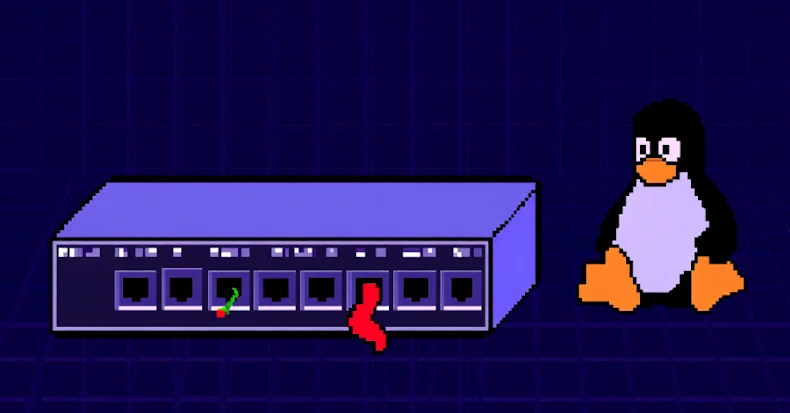
    Linux Rootkits
    Share
    Facebook Twitter LinkedIn Pinterest Email


    Oct 16, 2025Ravie LakshmananVulnerability / Linux

    Cybersecurity researchers have disclosed details of a new campaign that exploited a recently disclosed security flaw impacting Cisco IOS Software and IOS XE Software to deploy Linux rootkits on older, unprotected systems.

    The activity, codenamed Operation Zero Disco by Trend Micro, involves the weaponization of CVE-2025-20352 (CVSS score: 7.7), a stack overflow vulnerability in the Simple Network Management Protocol (SNMP) subsystem that could allow an authenticated, remote attacker to execute arbitrary code by sending crafted SNMP packets to a susceptible device. The intrusions have not been attributed to any known threat actor or group.

    The shortcoming was patched by Cisco late last month, but not before it was exploited as a zero-day in real-world attacks.

    “The operation primarily impacted Cisco 9400, 9300, and legacy 3750G series devices, with additional attempts to exploit a modified Telnet vulnerability (based on CVE-2017-3881) to enable memory access,” researchers Dove Chiu and Lucien Chuang said.

    The cybersecurity company also noted that the rootkits allowed attackers to achieve remote code execution and gain persistent unauthorized access by setting universal passwords and installing hooks into the Cisco IOS daemon (IOSd) memory space. IOSd is run as a software process within the Linux kernel.

    Another notable aspect of the attacks is that they singled out victims running older Linux systems that do not have endpoint detection response solutions enabled, making it possible to deploy the rootkits in order to fly under the radar. In addition, the adversary is said to have used spoofed IPs and Mac email addresses in their intrusions.

    The rootkit is commandeered by means of a UDP controller component that that can serve as listener for incoming UDP packets on any port, toggle or disable log history, create a universal password by modifying IOSd memory, bypass AAA authentication, conceal certain portions of the running configuration, and hide changes made to the configuration by altering the timestamp to give the impression that it was never modified.

    Besides CVE-2025-20352, the threat actors have also been observed attempting to exploit a Telnet vulnerability that is a modified version of CVE-2017-3881 so as to allow memory read/write at arbitrary addresses. However, the exact nature of the functionality remains unclear.

    The name “Zero Disco” is a reference to the fact that the implanted rootkit sets a universal password that includes the word “disco” in it — a one-letter change from “Cisco.”

    “The malware then installs several hooks onto the IOSd, which results in fileless components disappearing after a reboot,” the researchers noted. “Newer switch models provide some protection via Address Space Layout Randomization (ASLR), which reduces the success rate of intrusion attempts; however, it should be noted that repeated attempts can still succeed.”

    attacks Cisco deploy Disco flaw Hackers Linux Rootkits SNMP
    Share. Facebook Twitter Pinterest LinkedIn Tumblr Email
    Previous ArticleNorth Korean threat actors turn blockchains into malware delivery servers
    Next Article Save $200 on the 2025 Acer Nitro V – a budget gaming laptop that boasts serious power
    Techurz
    • Website

    Related Posts

    Cyber Reality

    Digital Identity Protection: 7 Hidden Risks Most Users Miss

    May 25, 2026
    Cyber Reality

    Neural Data Policy: 7 Risks That Brain Privacy Laws Miss

    May 25, 2026
    Cyber Reality

    How AI Changing Cyber Crime: 7 Critical Shifts to Watch

    May 25, 2026
    Add A Comment
    Latest Tech Pulse

    College social app Fizz expands into grocery delivery

    September 3, 20252,290

    SolarSquare in talks to raise up to $60M as India’s rooftop solar market draws major VC interest

    May 23, 202622

    Future of Digital Privacy and Security: 7 Truths Nobody Tells You

    May 25, 202619
    Stay In Touch
    • YouTube
    • WhatsApp
    • Twitter
    • Pinterest
    • LinkedIn

    Techurz helps readers stay ahead of digital change with clear, practical, future focused technology intelligence written today,searched tomorrow.

    X (Twitter) Pinterest YouTube LinkedIn WhatsApp
    Company
    • About Us
    • Contact Us
    • Our Authors / Editorial Team
    • Write For Us
    • Advertise
    Policy
    • Editorial Policy
    • Privacy Policy
    • Terms and Conditions
    • Affiliate Disclosure
    • Cookie Policy
    • Disclaimer
    • DMCA
    Explore
    • AI Systems
    • Cyber Reality
    • Future Tech
    • Disruption Lab
    • Signals
    • Tech Pulse
    • Sitemap

    Join the Techurz Brief

    The future does not arrive suddenly.
    Stay ahead with fast, sharp tech signals.

    Type above and press Enter to search. Press Esc to cancel.