


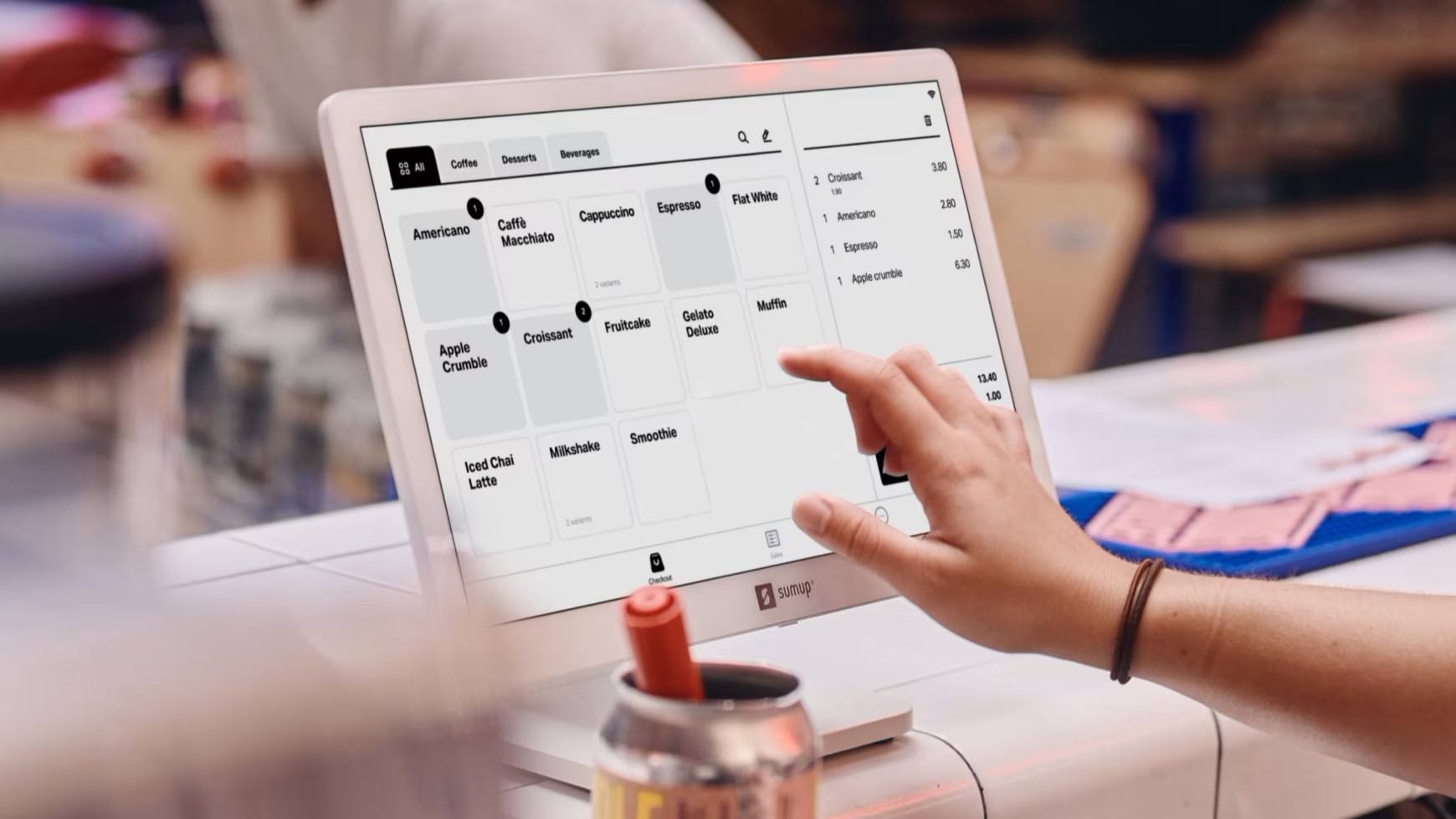
We are living through one of the most significant shifts in retail point-of-sale (POS) technology since the introduction of the chip-and-PIN terminal.
After years of relying on rubber-buttoned, specialist PEDs (PIN Entry Devices) from manufacturers like Ingenico and Verifone, the retail sector is now embracing generic Android devices that accept payments using downloadable software.
This shift is more than a change in hardware—it’s a full-blown operating system revolution. But as Android becomes increasingly embedded in our in-store shopping experiences, a bigger question looms: are we handing over control of this multi-billion-dollar ecosystem to a single platform? Is Android now the new kingmaker in retail POS?
You may like
Tom Hay
Social Links Navigation
Senior Technology Manager, PSE Consulting.
From Proprietary Hardware to Programmable Platforms
Until recently, the POS hardware market was tightly controlled. Devices ran customized versions of Linux, and software applications were typically monolithic, expensive to build, and hard to update. Developing or modifying software on these systems required specialist engineering skills, long certification cycles, and intimate knowledge of closed systems.
Innovation under this model was stifled. Only the boldest players attempted to build their own apps for PEDs—and many failed. As a result, the pace of progress in in-store payment gateways lagged behind online and mobile commerce, where new features and updates could be deployed instantly.
That legacy model is now crumbling. Android, originally developed for smartphones, is increasingly used to power POS devices that are more flexible, easier to develop for, and significantly cheaper to deploy. This has paved the way for a new era of programmable retail terminals that run on open platforms and offer the same agility as app-based ecosystems.
The Rise of Android POS
Over the past 18 months, we’ve seen a surge in software-only payment services from major fintech players. Stripe introduced its Stripe Reader S700, which not only processes payments but also runs custom business apps, giving merchants the ability to fully customize the checkout experience. Revolut has also launched its own Android-based retail POS terminal designed for high-speed environments.
This shift is being driven by Android’s flexibility. The OS runs on everything from ruggedized tablets used in queue-busting or pay-at-table scenarios to consumer-grade phones used by mobile merchants. Android has already displaced Windows-based till systems in many cafes, bars, and restaurants due to its lower cost and broader developer base.
This transformation isn’t limited to startups or small merchants. Large-scale retailers and payment providers are building their own custom apps using Android, allowing them to tailor checkout flows to their exact operational needs. At the same time, the smallest merchants—like plumbers or stallholders—can now download a basic Android app to accept payments on their personal phones, with no extra hardware required.
Projections suggest this is only the beginning. The global Android POS market was valued at $7 billion in 2024 and is forecast to grow at a CAGR of 29.4%, reaching over $71 billion by 2033. The low licensing costs, massive developer pool, and ability to create customized hardware configurations all make Android the preferred choice over Apple or Windows alternatives in the retail world.
Specialist SaaS providers like Toast are already bundling Android devices with vertical-specific software tailored to restaurants, and other niche segments. As Android continues to expand its footprint, its influence on the hardware ecosystem is undeniable.
But Who Really Holds the Power?
Despite Android’s rapid ascent, the notion that it is becoming the “kingmaker” in POS is flawed. In reality, merchants aren’t choosing operating systems—they’re choosing the SaaS platforms that best meet their business needs. These platforms, not the OS, will ultimately determine which hardware gets deployed, how app stores are curated, and how secure the payment environment is.
Android simply enables more flexibility. It gives SaaS providers the tools to innovate—whether by enabling tap-to-pay on a handheld device or deploying self-checkout kiosks in fast food restaurants. The OS is the enabler, but the strategic control lies with the platform operators.
What we are witnessing is the fragmentation of the POS landscape into a marketplace of thousands of SaaS providers, each making their own decisions about hardware, app design, and consumer experience. These platforms vary not just by country or language, but by sector. A fast-fashion retailer and a sports store may both sell clothes, but the software they use to manage inventory, payments, and loyalty programs can be vastly different.
This market diversity means that no single OS—Android included—can dictate how the retail world functions. The analogy to Nokia’s decline is striking. Just as Android and Apple reshaped the smartphone industry by empowering app developers and creating open ecosystems, they are now unlocking similar creativity and value in physical retail.
What follows could be a renaissance in the in-store experience. With open systems and software-based interfaces, retailers are no longer tied to generic, inflexible terminals. They can experiment, personalize, and streamline—making checkout faster, more intuitive, and more aligned to their brand.
Android Is the Platform, Not the Power
Android is clearly becoming the operating system of choice for the next generation of POS devices. Its versatility, affordability, and openness make it a natural successor to the locked-down Linux boxes of the past. But that doesn’t mean Android is the new kingmaker.
The real power will lie with the SaaS platforms that orchestrate the entire merchant experience—from inventory and customer engagement to payments and reporting. These platforms are the new center of gravity in retail, and they will continue to shape how we shop in-store.
So yes, Android may well be the plumbing of the new POS world—but it’s the platforms that will design the taps.
We list the best POS system for restaurants and bars. We’ve also listed the best pizza restaurant POS system.
This article was produced as part of TechRadarPro’s Expert Insights channel where we feature the best and brightest minds in the technology industry today. The views expressed here are those of the author and are not necessarily those of TechRadarPro or Future plc. If you are interested in contributing find out more here: https://www.techradar.com/news/submit-your-story-to-techradar-pro
