


Free VPNs get a bad reputation for stealing your data, but that’s not always true. Several reputable providers offer the same security as paid services, just with fewer features.
Understanding the Fear Around Free VPNs
The fear of free VPNs being unsafe isn’t entirely unfounded. In 2016, a study found that 38% of free VPN apps contained malware. Similarly, a PCM search report discovered that 75% of free VPNs embed tracking libraries in their apps. These tools marketed themselves as VPNs while secretly harvesting user data and injecting malicious code into their apps. Some were even caught leaking user data to servers in China.
However, the situation has slowly improved since then. Major security audits are now standard, privacy laws have teeth, and believe it or not, people actually take the time to read privacy policies. The privacy industry has shifted toward greater transparency and accountability.
The real issue isn’t that all free VPNs are dangerous—it’s that distinguishing trustworthy providers from questionable ones isn’t always easy. A well-established service like ProtonVPN, which offers a free tier with the same strong encryption as its paid plans, isn’t the same as a random app with 50,000 downloads and minimal information about its developers or ownership.
How Modern Free VPNs Ensure Security and Privacy
Legitimate free VPNs rely on the same security infrastructure as their paid services, because it would be more expensive to maintain two separate systems for negligible gains.
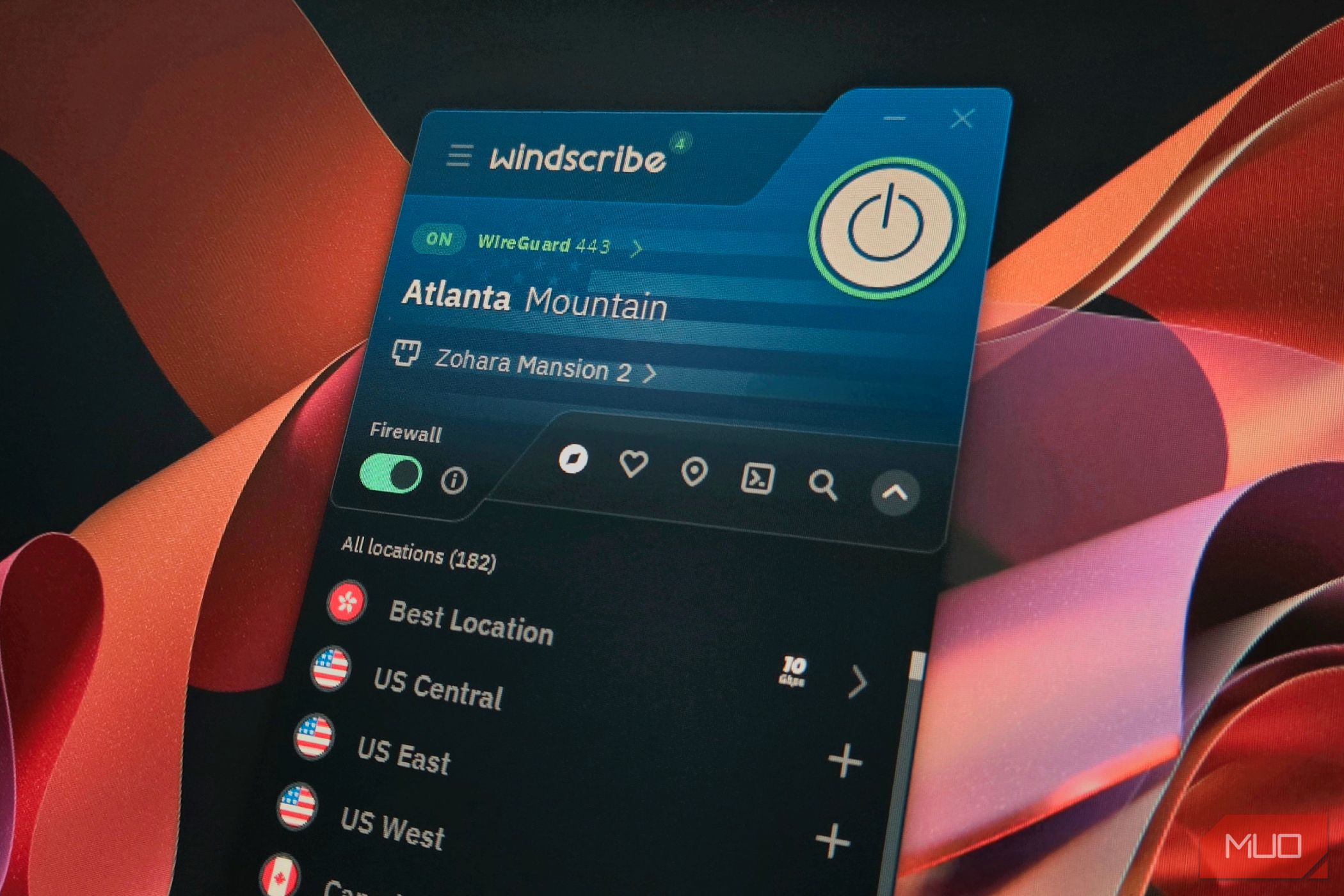
ProtonVPN’s free servers use the same secure protocols as the premium ones, and Windscribe’s free tier offers identical encryption. A trustworthy provider doesn’t water down the tech. The security stays the same; only the extras, like more servers or faster speeds, are locked behind a paywall.
Tashreef Shareef / MakeUseOf
So what’s in it for VPN providers if they offer the same service regardless of the tier? Free VPN providers limit your data usage, restrict server locations, or cap your connection speed and sell it to you for a premium. They don’t compromise on encryption standards or logging policies because that would destroy their reputation across all tiers. A security breach on free servers would tarnish their reputation among premium users as well.
The freemium model works because a percentage of free users eventually upgrade. People test the service, trust it, and then pay for unlimited data or more server locations. This model only succeeds if the free service is genuinely secure.
Third-party audits also add credibility. TunnelBear’s 2024 security audit is the latest of the annual audits it’s run since 2016, and Windscribe underwent a comprehensive audit in 2022. These aren’t just marketing exercises. Independent security firms like Cure53 examine the code, test the infrastructure, and verify privacy claims.
When it comes to core security technology, encryption is standardized. Whether you’re using a free or paid VPN, you’re likely connecting through OpenVPN or WireGuard protocols with AES-256 encryption—the same standard most financial institutions use to protect your online transactions. This isn’t proprietary technology that costs more to implement for paying customers.
What Free VPNs Can and Cannot Do
Free VPNs fulfill basic privacy protection. They hide your IP address from websites, encrypt your connection on public Wi-Fi, and prevent your ISP from seeing your browsing history. For many, that level of protection is more than enough. Still, it’s important to understand that no VPN is a complete privacy solution, and relying on it alone won’t make anyone entirely anonymous online.
However, free VPNs start to show their limits when you reach advanced use cases. Most struggle to bypass geolocation blocks, making it difficult to access streaming content from other countries. Data caps can quickly become a problem for anyone trying to torrent large files, and server options are usually restricted to just a few locations.
While free services are reliable for basic privacy and casual browsing, they aren’t designed for demanding tasks like streaming or heavy downloads.
The limitations are intentional; this is how these services stay sustainable. Free VPNs could offer unlimited everything, but then they’d go out of business (which is why “lifetime” VPNs are often a sham). Instead, they provide genuine security for basic needs while encouraging power users to upgrade to premium plans.
Here’s what free VPNs typically restrict:
- Data usage typically ranges from 500MB daily to 10GB monthly, though ProtonVPN breaks this mold by offering unlimited data for free users.
- Server locations are minimal, with three to five countries available (usually the most cost-effective locations to maintain).
- Connection speeds face throttling during peak hours, but remain functional for regular browsing.
- Device connections limit you to one device at a time—your phone or your laptop, never both simultaneously.
- P2P and torrenting features are usually blocked entirely on free tiers.
- Streaming-optimized servers remain exclusive to paying customers, keeping Netflix and similar services out of reach.
Despite the limitations, these restrictions don’t affect the core security promise. Your data remains encrypted whether you’re on a free or paid plan, and the no-logs policy applies equally. The difference lies in convenience and features, not safety.
How to Choose a Safe Free VPN
Not all free VPNs are created equal, but spotting the legitimate ones isn’t difficult once you know what to look for.
Ads in a free VPN app are a major indicator of potential privacy and safety concerns. Most ads are served based on user behavior, often by tracking browsing activity through cookies or similar technologies. While the VPN itself may not pose a direct security threat, its reliance on ad revenue creates an incentive to collect and share user data.
Lack of transparency about ownership is another one of the major VPN red flags. Legitimate VPN providers have actual addresses, named executives, and corporate registrations. If the company information leads to vague details, you’re best off avoiding the service.
Tashreef Shareef / MakeUseOf
Check for recent third-party audits. Any VPN claiming to be secure in 2025 should have undergone an independent security and no-logs audit within the last two to three years. Companies often publish these audits on their official websites, so finding them is usually as simple as visiting the “privacy” or “transparency” section.
Make it a habit to read the privacy policy. Safe, free VPNs make money through premium upgrades, not data sales. Their privacy policy should explicitly state that they don’t log your activity or sell your information. If the policy is vague about data collection or mentions marketing partners, it’s probably not a VPN worth using.
Look for transparency reports. Reputable VPN providers publish information about government requests and their responses. Even if they receive subpoenas, a true no-logs service has nothing to provide.
Test the service yourself. Download the app and inspect what permissions it requests. A VPN obviously needs network access, but it shouldn’t ask for your contacts, location when not in use, or access to your photos. Excessive permission requests indicate data harvesting.
Based on these criteria, here are a handful of free VPNs that have built solid reputations through transparency and regular audits:
- ProtonVPN: Unlimited data for browsing, limited servers, no torrenting or streaming, from the makers of ProtonMail
- Windscribe: 10GB monthly data, unlimited connections, strong privacy focus
- TunnelBear: 2GB monthly data, regular audits, clear policies
- Hide.me: Unlimited monthly data, no-logs policy, based in Malaysia
A carefully chosen free VPN will serve you well. Yes, there are sketchy free VPNs, but there are also paid ones that have falsely claimed no-logs policies while secretly storing user data and handing it over to authorities. While responsible and ethical use of VPNs is essential, understanding the differences between good and bad VPNs matters more than the price tag.
Don’t let perfect be the enemy of good. If you need basic privacy protection and can’t afford a subscription, a reputable free VPN is as safe as its paid counterparts. Just do your due diligence when choosing a provider, and you’ll have reliable privacy protection without needing to buy a premium plan.
